
Location-Based Entertainment Attractions: Business Models and Ideas for Venue Operators
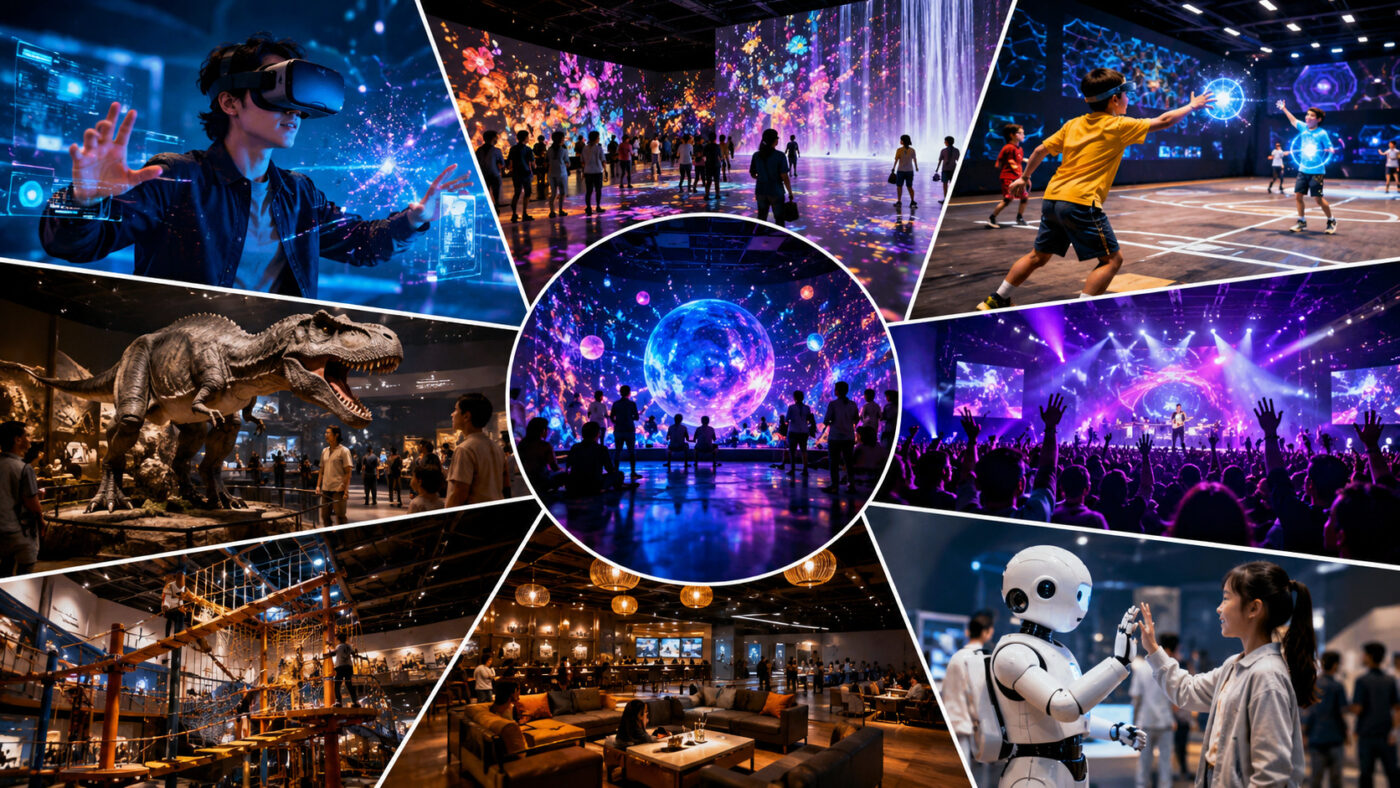
Explore location-based entertainment attractions, business models, and ideas for venue operators, from VR and digital art to AR sports like HADO.
Location-based entertainment, often called LBE, refers to entertainment experiences that people can only enjoy by visiting a specific physical location.
Unlike home video games, streaming services, or mobile apps, LBE requires guests to go somewhere in person. That is the core value of the business: it creates a reason to visit.
Theme parks, family entertainment centers, VR arenas, AR sports, immersive digital art museums, pop-up events, brand experiences, museums, and interactive attractions inside shopping malls can all be understood as part of the LBE landscape.
In recent years, LBE has become more than a leisure category.
For shopping malls, it can fill vacant space and increase dwell time. For tourist destinations, it can create indoor activities and rainy-day experiences. For brands and IP owners, it can become a real-world touchpoint with fans. For companies, it can work as team-building content or event programming.
This article explains the main types of location-based entertainment attractions, business models, venue ideas, revenue opportunities, key challenges, and the role that AR sports such as HADO can play in the LBE business.
What Are Location-Based Entertainment Attractions?
Location-based entertainment attractions are experience-based entertainment formats delivered in a physical venue.
Guests do not experience them online. They move, enter a space, cooperate with others, compete, watch, react, and participate.
This “only here” quality is what makes LBE valuable.
Movies can be watched at home. Games can be played at home. Music can be streamed on a phone.
However, entering a large immersive space, facing another team in an AR sport, joining a VR mission with friends, or walking through a digital art environment filled with light and sound is much harder to replace at home. That is why LBE should not be seen only as a facility category. It is a way to design a reason for people to visit a place.
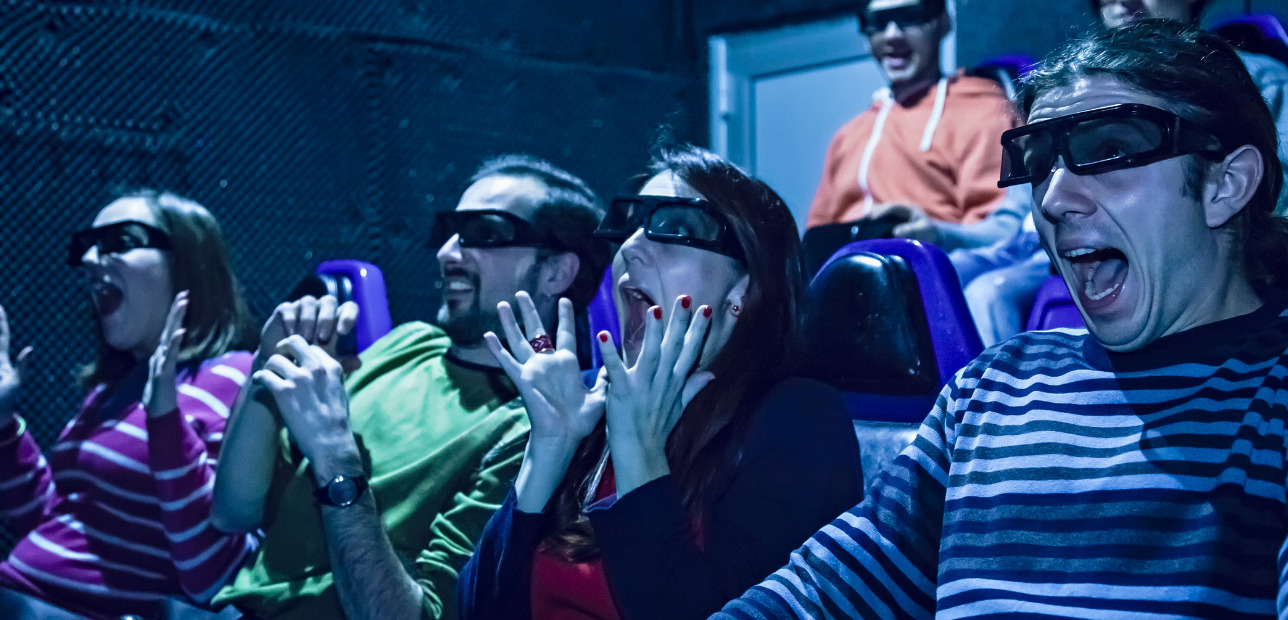
Why Location-Based Entertainment Is Growing
LBE is growing because people want experiences they cannot get at home.
Many parts of entertainment have moved online. Videos, games, shopping, and social interaction are now available from almost anywhere. Because of that, the reason to visit a real place has become more important.
People still want to be surprised with others. They want to move their bodies. They want to enter spaces that feel different from daily life. LBE answers these needs.
For tourist destinations and local governments, LBE can also become a way to repackage local value. History, culture, nature, sports, and technology can be combined to create new reasons to visit a region.
There is also growing demand from corporate events and school groups. People do not always want events where they simply sit and listen. They want activities where participants move, cooperate, compete, and talk naturally.
In other words, LBE is not growing only because technology has improved. It is growing because real-world experiences have become more valuable.
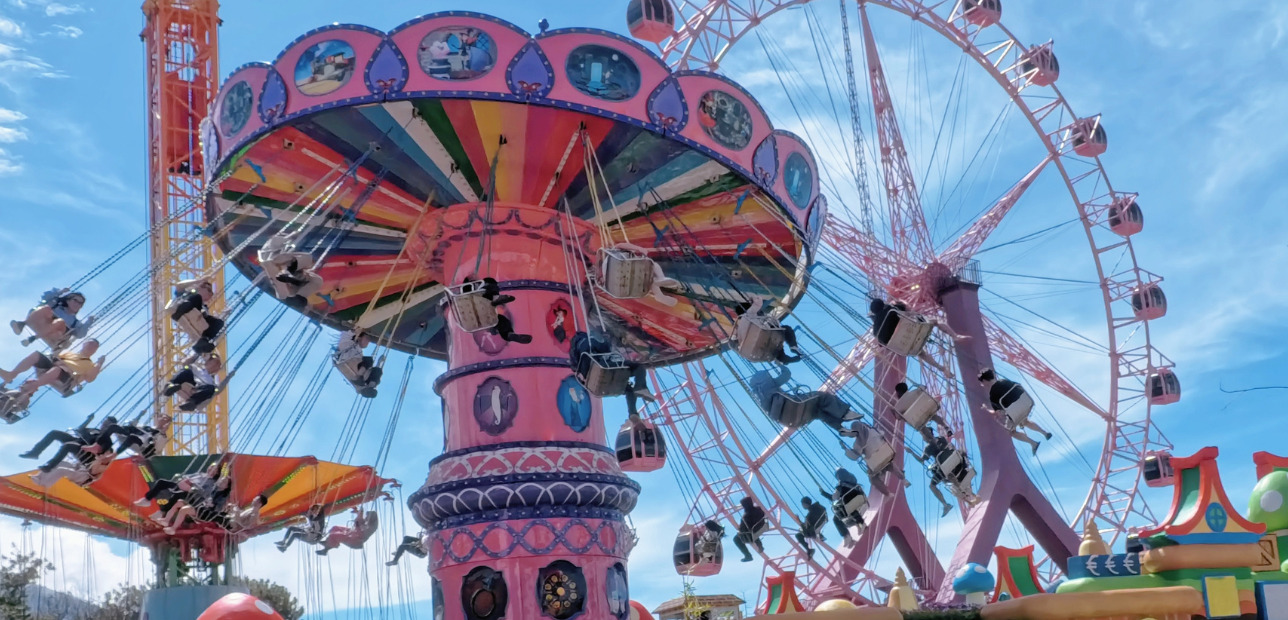
Main Types of Location-Based Entertainment Attractions
There are many types of LBE attractions. For venue operators, mall owners, agencies, and new business teams, it is useful to understand the main categories and what each one can offer.
Immersive VR and Mixed Reality Attractions
VR and mixed reality attractions are among the most common LBE formats.
Guests use headsets, sensors, or other devices to enter virtual spaces or digitally enhanced environments. This category includes free-roam VR, VR shooting games, cooperative missions, and MR arenas.
The main strength is immersion. With a scale and setup that are difficult to recreate at home, the venue can make guests feel that the experience is only possible in that location.
However, there are also challenges. Headsets must be fitted and cleaned. Equipment needs maintenance. Guests often need instructions before starting. Some people may feel motion sickness.
Throughput also matters. If only a small number of guests can play at one time, revenue potential may be limited.
For this reason, VR and MR attractions should not be judged only by visual impact. Operators also need to consider throughput, staffing, maintenance, group use, and repeatability.
AR Sports and Active Gaming Attractions
AR sports and active gaming attractions use digital elements while guests move in a real physical space.
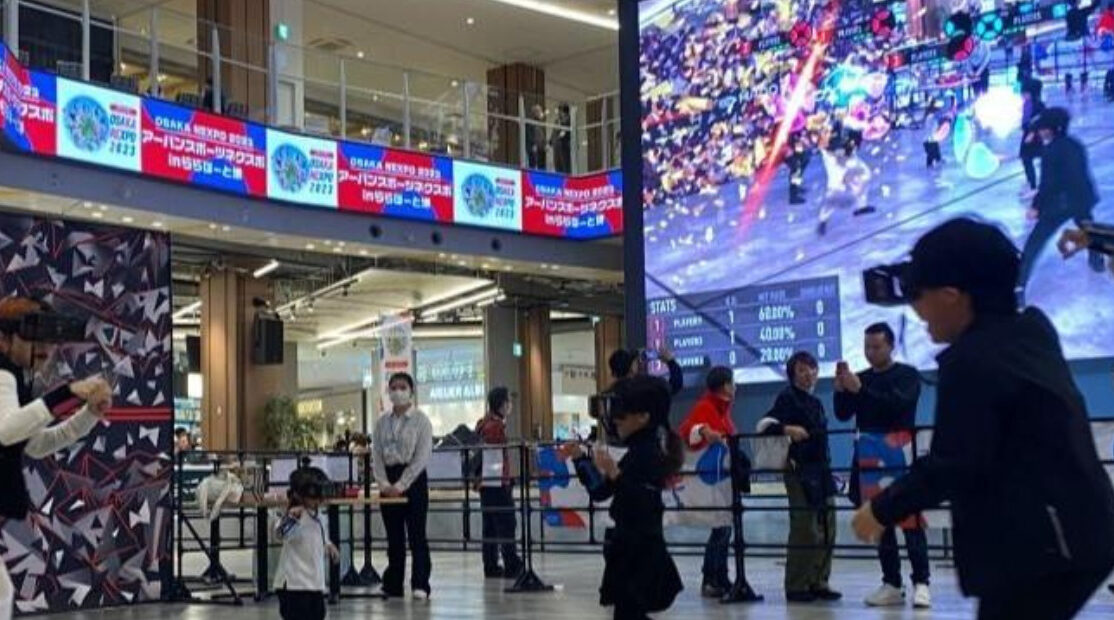
HADO is a representative example of this category. In HADO, players wear a head-mounted display and an arm sensor. They throw energy balls through natural arm motions and compete as teams. It is a sport where players actually move their bodies while enjoying game-like digital action.

The strength of this category is the combination of physical activity, digital novelty, competition, and spectator appeal. Unlike VR, players are not fully separated from the real world. They move in a visible space. This makes the action easier for spectators and nearby guests to understand.
Team battles, scores, tournaments, and rankings can also create reasons for guests to return. AR sports such as HADO can work not only as permanent venue attractions, but also as mall events, school programs, corporate events, and local community events.
Immersive Storytelling and IP-Based Attractions
Many LBE attractions bring movies, anime, games, characters, or brand worlds into real spaces.
In this category, guests do not simply watch a story. They enter it. Examples include immersive exhibitions based on films, walk-through experiences based on games, mission-based anime events, and pop-ups that allow visitors to experience a brand story.
The strength is that existing fan interest can be converted into real-world visits.
IP already has awareness and emotional connection. By adding a physical experience, fans are invited to participate, not just observe.
However, IP-based LBE can be expensive to produce. World-building, rights management, guest flow, merchandise, social sharing, and the limited-time nature of the experience all need careful planning.
Limited-time LBE can create urgency and scarcity. At the same time, the sales period is short. That makes business design important. Ticketing, merchandise, sponsorship, and social media strategy should be planned together.
Interactive Sports and Competitive Socializing
Interactive sports and competitive socializing are also important LBE categories.
This includes digital darts, shuffleboard, interactive soccer, basketball challenges, digital golf, and sports-bar-style game experiences. The value of this category is that competition and conversation happen together. Guests do not need to be serious athletes. If the rules are simple and the score is clear, friends and colleagues can enjoy competing together.
When combined with food and beverage, this format can become social entertainment for adults. It can also work well for corporate events, group outings, and evening use.
However, simply installing game machines is not enough. The value increases when the attraction is combined with space design, food and beverage, booking flow, group packages, and ranking systems.
Projection-Mapped and Digital Art Experiences
Projection-mapped and digital art experiences work especially well in shopping malls, tourist destinations, museums, and urban venues.
Facilities like teamLab are important examples in this field. At teamLab Borderless, artworks move beyond rooms, influence one another, and create a museum without a map. Visitors walk through the space and discover the works as part of the environment. At teamLab Planets, visitors walk through water and physically enter large-scale artworks.
These experiences are not simply exhibitions. The visitor’s body, movement, and presence become part of the work.
Digital art LBE has broad appeal. It can attract children, couples, friends, tourists, and international visitors. It is also accessible to people who may not be interested in sports or games.
On the other hand, production cost, spatial design, crowd control, maintenance, and content updates are important challenges. Beauty alone may not create repeat visits. For digital art LBE, seasonal programs, new works, local partnerships, night events, merchandise, and food and beverage can all help strengthen the business model.
Educational and Cultural LBE
Museums, science centers, historical exhibitions, and cultural venues can also be redesigned as LBE.
Traditional exhibitions often ask visitors to look and read. Today, more venues are becoming participatory. Visitors touch, move, think, experiment, and cooperate.
For example, AR can recreate historical figures or ancient cities. Science centers can use sensors and projection to create hands-on experiments. Local festivals or cultural traditions can be turned into interactive experiences.
This type of LBE can serve both education and tourism.
For school groups, it can create stronger learning outcomes. For tourists, it can make local culture easier to understand and enjoy. For local governments, it can turn regional assets into modern visitor experiences. In educational and cultural LBE, meaning matters more than spectacle. The key questions are simple. What should visitors learn? What kind of experience will they remember? How does the attraction connect to the identity of the venue or region? That design work is what makes the experience valuable.
Brand Activation and Pop-Up Experiences
Brand activation and pop-up LBE are important for agencies, malls, IP holders, and consumer brands.
A brand can communicate value through a real experience in ways that advertising alone often cannot. Examples include a pop-up where visitors enter the world of a new product, a sports brand challenge, a game-based event by a beverage company, or an immersive promotion linked to a film or anime release. The goal is not always ticket revenue. Social sharing, brand understanding, fan engagement, product purchase, membership registration, and media exposure can all be important results.
In this category, the attraction works as a marketing platform. Visitors do not just see the brand. They participate in it.
Robotics and AI-Driven Attractions
Robotics and AI-driven attractions are also gaining attention. This category includes humanoid robots, robotic dogs, AI characters, and interactive avatars.A robot that walks, talks, dances, guides visitors, takes photos, or interacts with children can feel fresh to many guests.These experiences can work well for shopping mall events, tourist attractions, technology exhibitions, brand promotions, and family events.
However, robot-based LBE also has challenges. The experience may be interesting once but difficult to repeat. Hardware costs and maintenance can be high. Safety management is also important.
Because of this, robots may be more realistic as event content, shows, greetings, or campaign features than as the main permanent attraction of a venue.
Location-Based Entertainment Business Models
When LBE is viewed as a business, the revenue model is critical.
Creating an entertaining experience is not enough. Operators must decide how it will make money, who will pay, how often guests will return, and which revenue streams can be combined.
There are several ways to monetize an LBE attraction. The right model depends on the venue type, guest behavior, and how often people are expected to return.
- Ticketed admission: Guests pay an entry or experience fee. This works well for tourist attractions, pop-ups, immersive exhibitions, and FECs.
- Pay-per-play: Guests pay each time they use the attraction. This fits shopping malls, arcades, game venues, and short-format experiences.
- Time-based admission: Guests pay for a set period, such as 60 or 120 minutes. This model is common in VR venues, active entertainment centers, and indoor play facilities.
- Membership or subscription: Guests pay regularly instead of paying only per visit. This works best for local venues and sports-style LBE where people have a reason to come back often.
- Group bookings: Schools, companies, tour groups, and birthday parties book the experience in advance. This can help improve weekday and off-peak utilization.
- Events and tournaments: Revenue comes from leagues, competitions, local tournaments, and streamed events. AR sports, esports, and active sports LBE are especially compatible with this model.
- Sponsorship: Brands or local partners support the experience financially. This can work well for sports-based, event-based, or community-based LBE.
The strongest approach is often a hybrid model. By combining walk-in play, group bookings, events, tournaments, sponsorship, brand partnerships, merchandise, food and beverage, and membership, LBE becomes more than an attraction. It becomes a business with multiple revenue paths. HADO is well suited to this hybrid LBE model. It can support regular play, group use, school programs, corporate events, tournaments, brand activations, and international expansion.
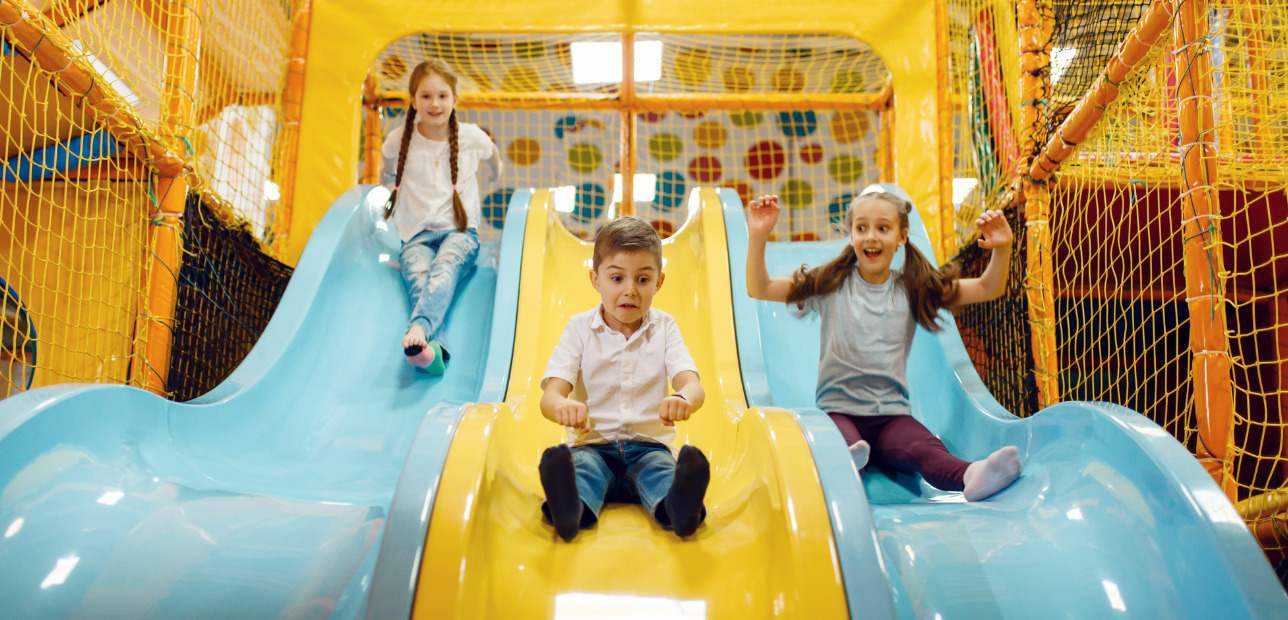
How to Choose the Right LBE Attraction for Your Venue
LBE attractions should not be chosen only because they look impressive. Visual impact matters, but a sustainable business needs more practical criteria.
Before choosing an attraction, venue operators should evaluate whether it fits the audience, space, operations, and revenue model.
- Target audience: Who is the attraction for? Children, families, young adults, tourists, companies, and school groups all need different types of experiences.
- Throughput: How many guests can experience it per hour? Long wait times, slow onboarding, or too much staff explanation can reduce revenue.
- Repeatability: Does the experience give guests a reason to come back? Scores, rankings, missions, seasonal programs, tournaments, and memberships can all create repeat visits.
- Group compatibility: Can people enjoy it together? Attractions that work for families, friends, schools, and corporate groups are often easier to monetize.
- Operational load: How difficult is it to run every day? Staffing, equipment management, safety, cleaning, maintenance, and troubleshooting all affect long-term viability.
- Content updates: Can the experience stay fresh? New missions, seasonal events, IP collaborations, new rules, rankings, and tournaments can help prevent content fatigue.
A good LBE attraction is not simply a flashy experience. It is an experience that fits the venue’s audience, space, operational capacity, and revenue model.
Location-Based Entertainment Ideas by Venue Type
LBE works differently depending on the type of venue.
The same attraction can play very different roles in a shopping mall, tourist destination, sports facility, museum, brand event, or corporate program.
Shopping Malls
For shopping malls, the role of LBE is clear.
It creates a reason to visit. It helps fill vacant space. It increases dwell time. It attracts families and young people. It gives people a reason to come beyond shopping.
In malls, visibility matters. People passing by should quickly understand what is happening. The experience should be easy to join, easy to watch, and easy to share.
Good options include AR sports, interactive walls, digital art, pop-up IP experiences, robot events, and short-format active games.
AR sports such as HADO can work well in mall events. Players move in a visible space and throw energy balls at each other. This makes the action easy for nearby visitors to understand.
Tourist Destinations and Resorts
For tourist destinations and resorts, LBE can increase the value of the stay.
Visitors are not only looking for accommodation. They want activities that feel unique to that place. Rainy-day attractions, night entertainment, family activities, and experiences linked to local culture can all add value.
Good options include immersive experiences based on local culture, AR activities, family-friendly active attractions, night entertainment, and interactive exhibitions based on nature or history.
For example, a region’s legends can become an AR experience. A hotel can offer a digital adventure for children. A resort can add a team-based activity for families and groups.
These experiences can improve guest satisfaction and create additional revenue.
Sports and Recreation Facilities
For sports and recreation facilities, LBE can increase utilization.
Traditional sports venues often serve people who already like a specific sport. By adding digital effects and game mechanics, the venue can reach beginners, children, families, and corporate groups.
Good options include AR sports, interactive sports, digital score challenges, team-based games, leagues, and ranking events.
HADO fits this area well. It feels physical like a sport, but it also feels game-like because of the digital action and team battle format. Strategy and teamwork matter, not only athletic ability. That makes it easier for a wider range of participants to enjoy.
Museums, Science Centers, and Educational Venues
For museums, science centers, and educational venues, LBE can turn exhibitions from something people watch into something they experience.
Visitors do not only read explanations. They touch, move, think, test, and cooperate. Good options include AR learning, interactive exhibitions, projection-based experiences, science experiment attractions, cultural experiences, and STEAM programs.
By combining art, technology, physical movement, and spatial design, visitors can feel that they are entering the exhibition rather than simply viewing it.
Corporate Events and Team Building
For corporate events and team building, LBE can create communication between participants.
Lectures and networking parties do not always build strong relationships. By contrast, team-based experiences naturally create conversation. Participants cooperate, compete, make decisions, and react together.
Good options include AR sports, team battle games, cooperative missions, ranking-based experiences, and interactive sports.
HADO works well for corporate events because players form teams, create strategies, communicate, and compete against another team.
For companies, it can be more than recreation. It can become a program where participants experience teamwork, role-sharing, and communication through play.

LBE Attractions Are Business Platforms
Location-based entertainment is no longer just about adding an attraction to a venue. Successful LBE creates a reason to visit. It creates a reason to share the experience with someone else. It creates a reason to return. It can also create touchpoints for brands and IP. It can give companies, schools, and groups a reason to use the venue.
FECs, shopping malls, tourist destinations, museums, sports facilities, brand events, and corporate programs can all use LBE in different ways.
However, the important question is not only whether the experience is fun. Who is it for? How does it make money? How many people can experience it? Can it create repeat visits? These questions should guide attraction selection.
The value of LBE is not simply getting people to try something once. The real value is creating a reason for people to visit, invite others, share the experience, and come back again.
For operators looking for an LBE attraction that combines physical movement, digital novelty, and group competition, HADO can be a strong option. It offers an AR sports experience that can be used in entertainment venues, shopping malls, events, schools, and corporate programs.
EXPAND HADO
IN YOUR REGION
GET IN TOUCH

Proud supporter of the Tokyo 2025 Deaflympics.
A future sport for everyone to enjoy.