
Why HADO Is Being Adopted by Educational Institutions
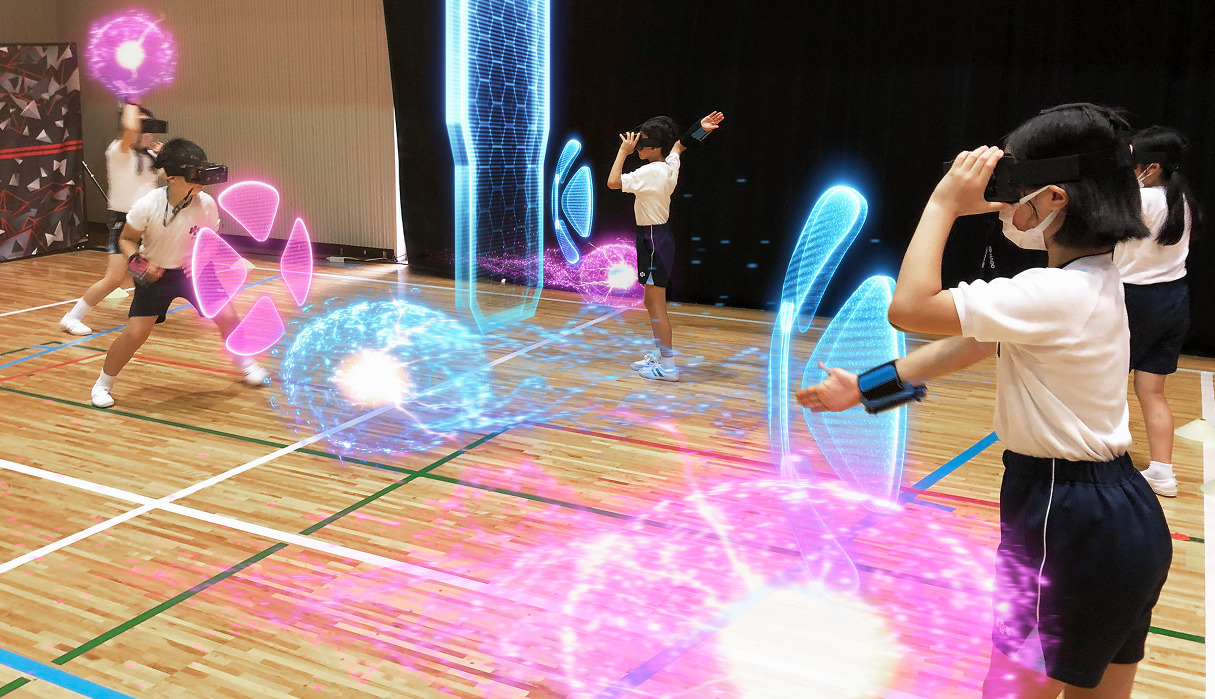
An AR Sport That Creates Learning Environments Students Want to Join
In recent years, the AR sport HADO has been increasingly adopted in school programs around the world.
What is HADO used for in schools, what aspects are valued by educators, and what challenges does it help address?
This article explores these questions in detail.
What Is HADO Used for in Schools?
One of HADO’s defining characteristics is its flexibility. It is not limited to a single subject or activity, but can be integrated into various aspects of school life.
Use in Classes
-
Physical Education
-
Inquiry-Based Learning
-
ICT / Digital Education
HADO allows students to move their bodies while thinking strategically, communicating with peers, and reflecting on outcomes.
Because it naturally combines physical activity, critical thinking, and dialogue, it works well as a cross-disciplinary learning tool connecting PE, inquiry learning, and ICT.
Use in Extracurricular Activities
-
Club activities
-
Circles
-
Interest-based groups
Because success in HADO does not depend solely on physical strength or athletic experience, students with different skill levels can participate together.
Roles such as strategy planning and team coordination make collaboration accessible to everyone.
Use in School Events
-
School trips
-
Off-campus learning programs
-
Exchange and community events
HADO is designed not only for participants, but also for spectators and supporters.
This makes it well suited for events that involve entire classes, grade levels, or even local communities.
What Aspects of HADO Are Highly Valued?
The most highly evaluated feature of HADO in educational settings is its ability to create a self-reinforcing growth cycle driven by students themselves.
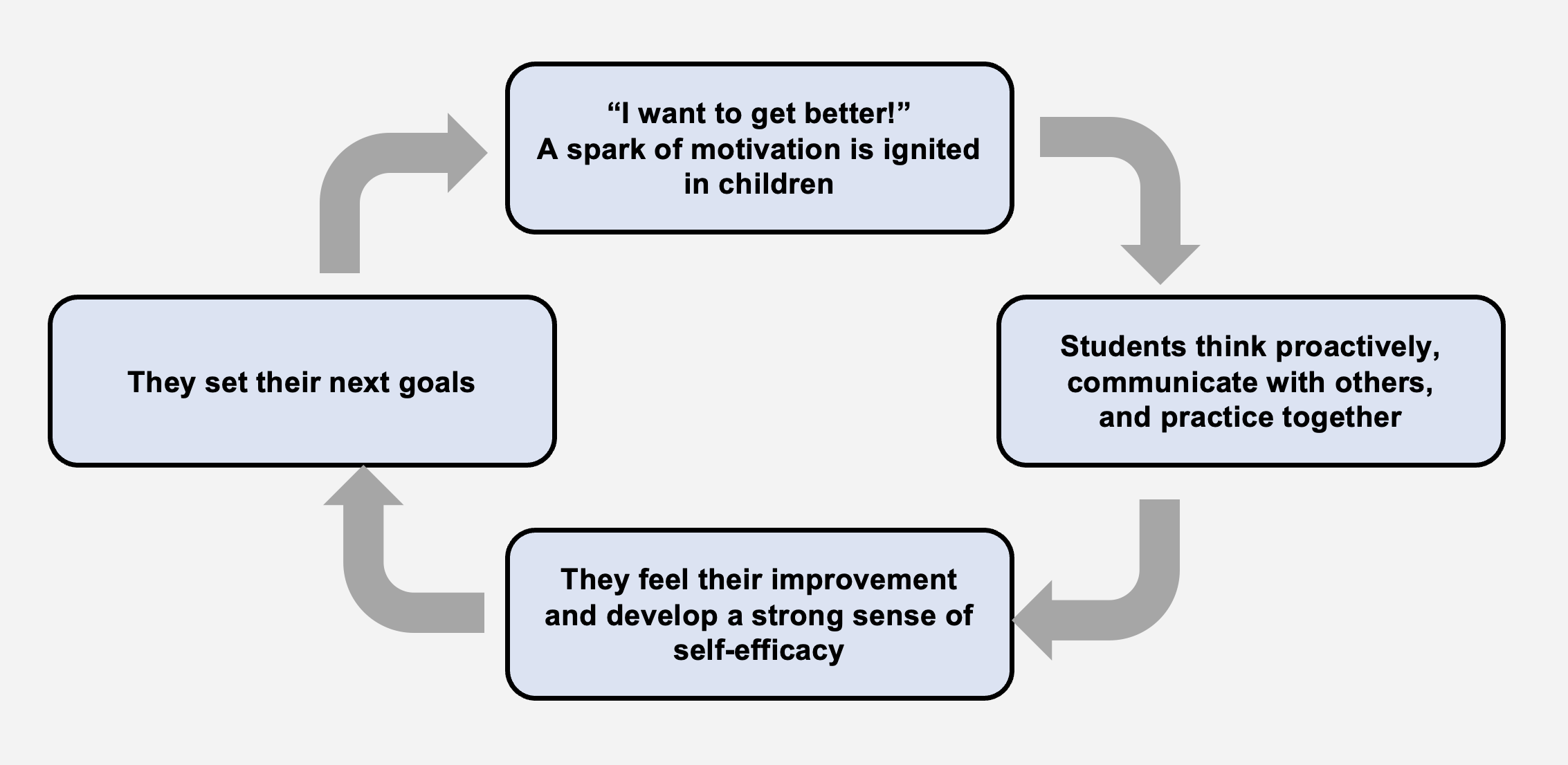
Through the HADO experience, students naturally go through the following process:
-
An intrinsic motivation emerges: “I want to get better.”
-
Students think independently, communicate, and practice together.
-
They experience improvement and build self-efficacy—the belief that “I can do this.”
-
They set new goals and take on the next challenge.
Once this cycle begins, learning shifts from something students are told to do into something they want to do.
In addition, HADO is valued because:
-
Outcomes are not determined solely by physical ability
-
Communication and strategy play a critical role
-
Progress is easy to visualize and reflect upon
These characteristics align closely with modern educational goals.
What Challenges Does HADO Help Address?
HADO enables schools to address multiple educational challenges simultaneously.
Improving Attendance and Participation
Because HADO emphasizes creativity and teamwork rather than speed or strength, students who struggle with traditional sports are more likely to participate.
In some cases, HADO has even served as a motivating factor for students with tendencies toward school avoidance, helping them re-engage with group activities.
Strengthening School–Community Collaboration
Student-led HADO workshops and events naturally create opportunities for collaboration between schools and local communities.
Because participation, spectating, and cheering are all part of the experience, HADO works well as an open, community-facing activity.
Enhancing Learning Motivation and Self-Efficacy
HADO naturally encourages a cycle of:
Experience → Reflection → Improvement → Re-challenge
This makes progress visible and tangible, helping students regain confidence and motivation through small but meaningful successes.
Developing Digital Skills
Through activities such as analyzing match data or designing and customizing visual effects, students use digital technology with a clear purpose.
Rather than learning ICT tools in isolation, students apply them as means for problem-solving, which is a key competency in digital education.
Conclusion
HADO is being adopted by educational institutions not simply because it is new or entertaining.
It is chosen because it:
-
Enables participation regardless of athletic ability
-
Naturally fosters communication and teamwork
-
Helps students experience growth and build self-efficacy
-
Can be applied across classes, events, inquiry learning, and ICT education
These qualities strongly align with the direction modern education is heading—
creating environments where every student can participate and experience meaningful learning.
HADO is simultaneously:
-
A sport
-
A learning tool
-
A platform for human connection
That is why it is gaining attention and adoption in schools today.
EXPAND HADO
IN YOUR REGION
REACH OUT

Proud supporter of the Tokyo 2025 Deaflympics.
A future sport for everyone to enjoy.