
HADO European Championship 2026 Ignites Antalya, Türkiye!
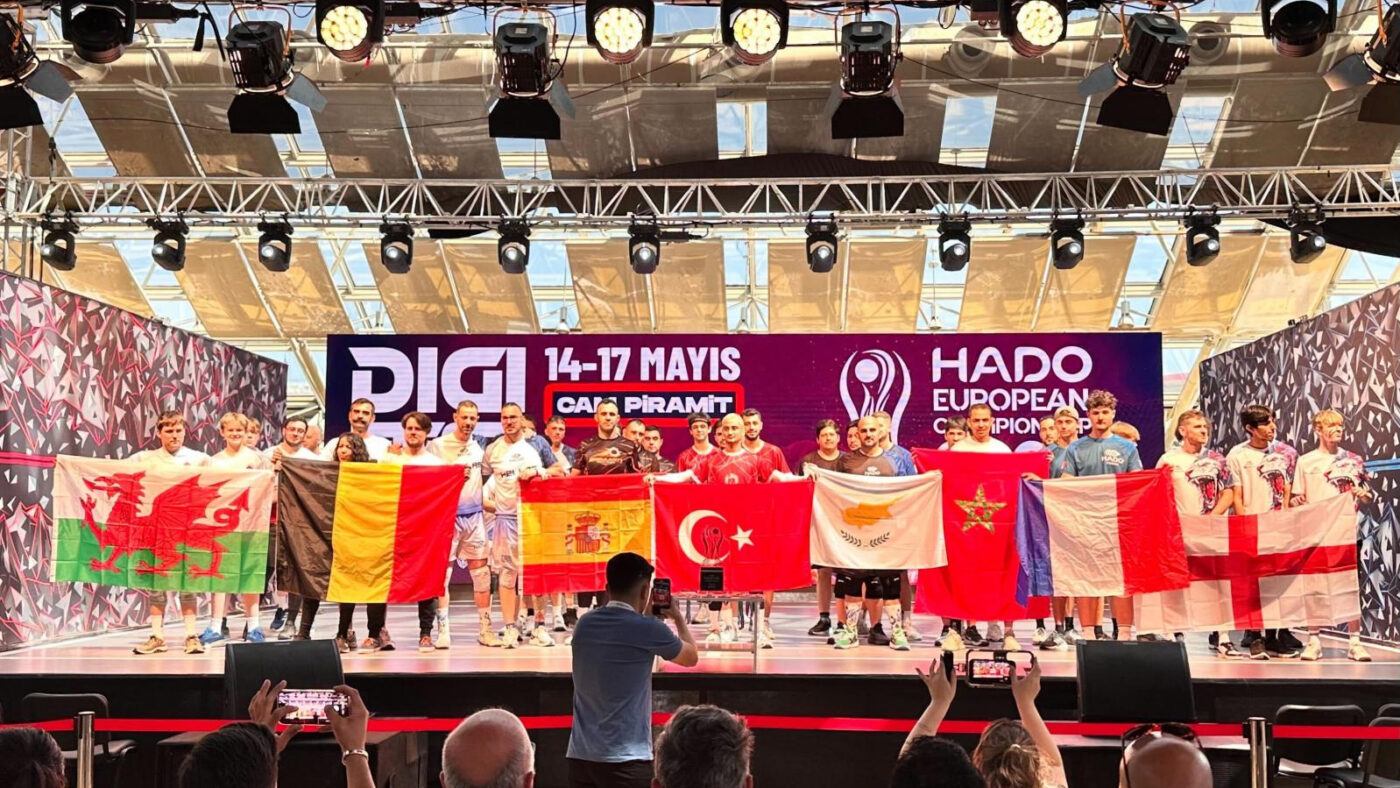
As top HADO teams from across Europe gathered in Antalya, Türkiye, the battle for the 2026 HADO European Champ […]
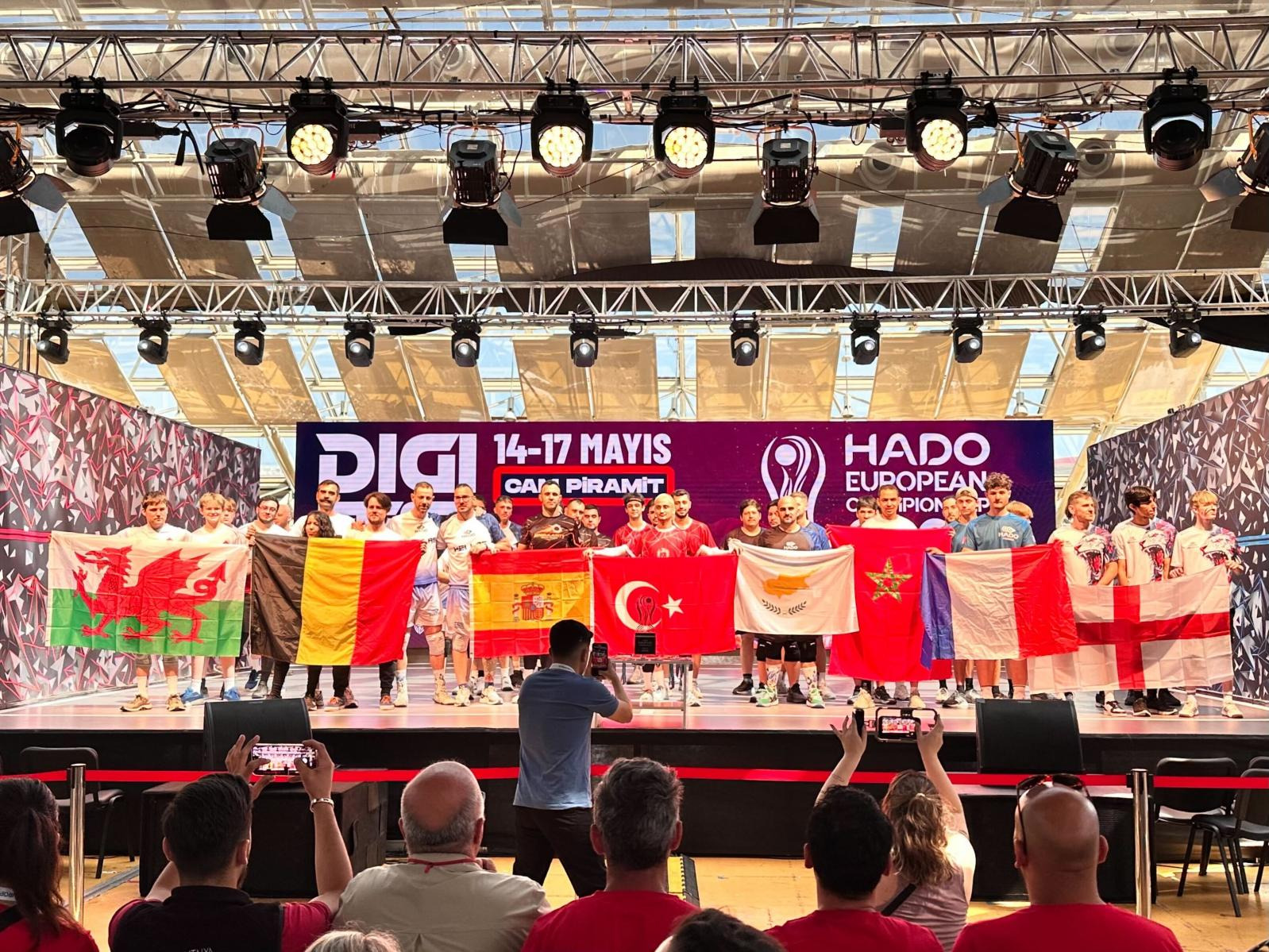
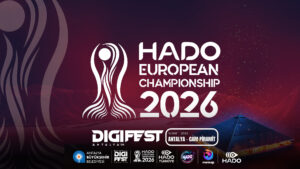
As top HADO teams from across Europe gathered in Antalya, Türkiye, the battle for the 2026 HADO European Championship officially began.
Held under the official competition standards of the International HADO Federation (IHF), the tournament followed unified international regulations, referee systems, and event operation procedures, continuing to advance the standardization of HADO’s global competitive ecosystem.
On May 16, teams from nine countries and regions faced off at the Cam Piramit Fair and Congress Center in an intense showcase of digital sports competition.
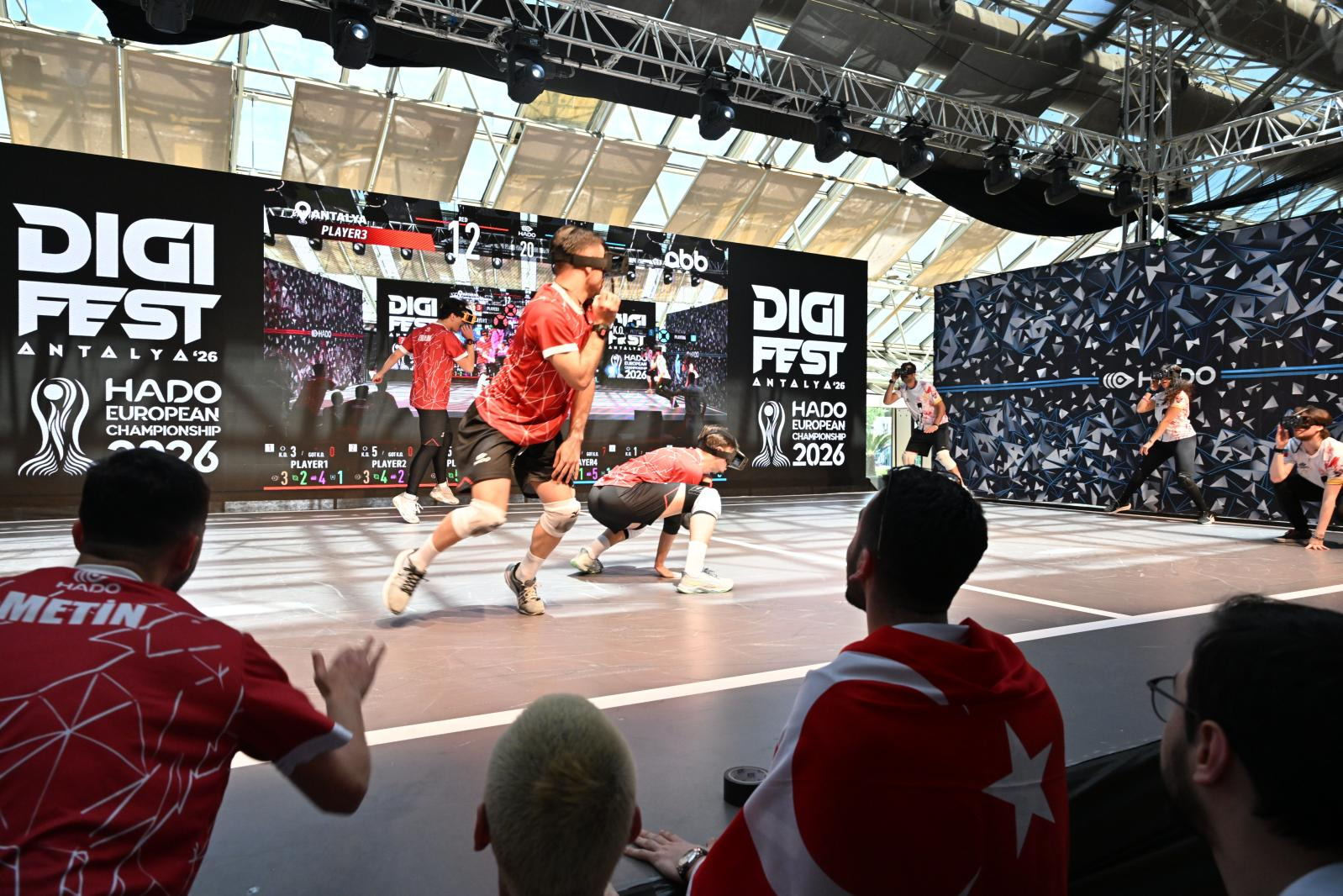
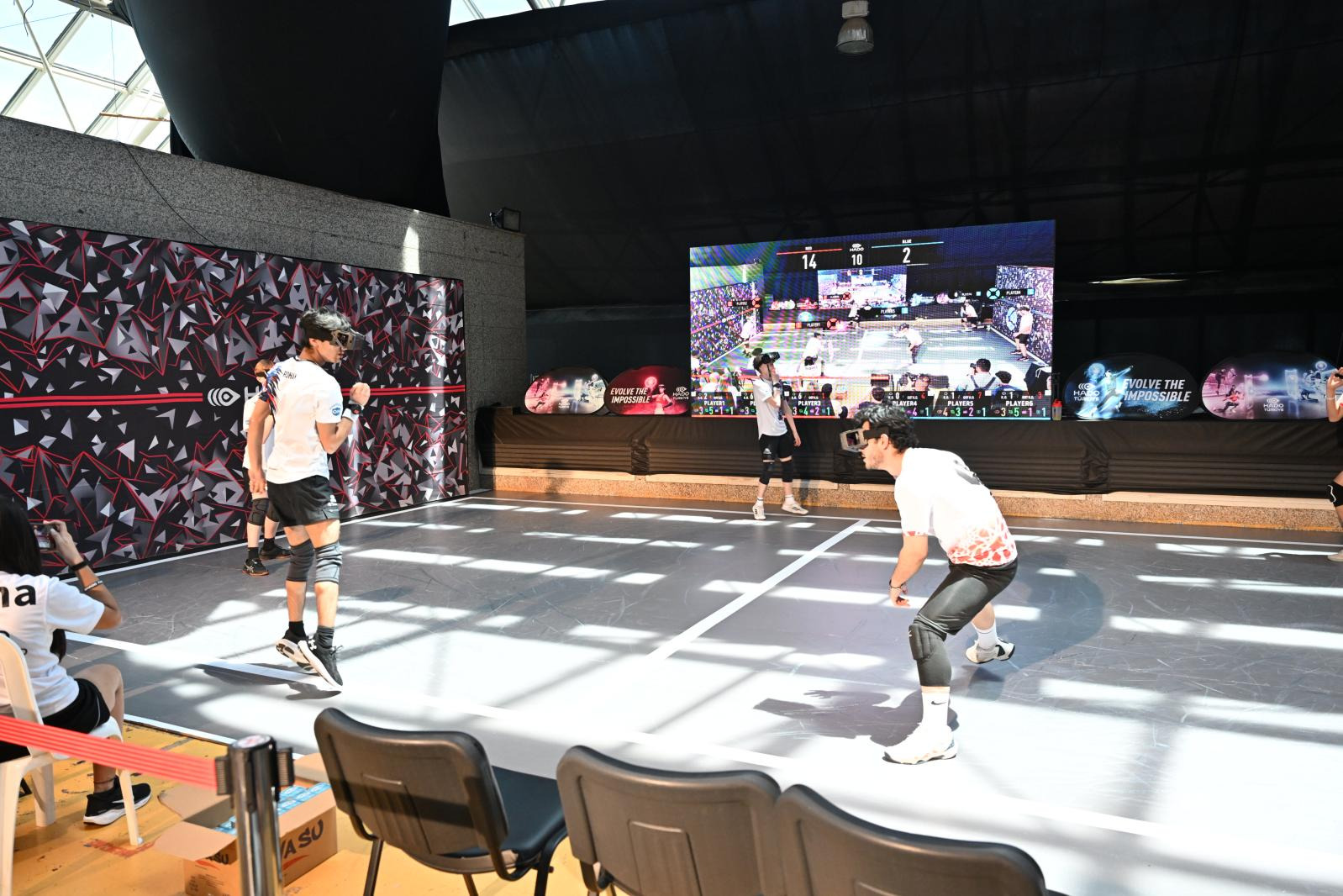
From fierce group-stage clashes, to high-pressure knockout battles, and finally the ultimate showdown on the grand finals stage — speed, strategy, teamwork, and determination were pushed to the limit.
Champions Crowned
After multiple rounds of intense competition, the final results of the tournament were:
-
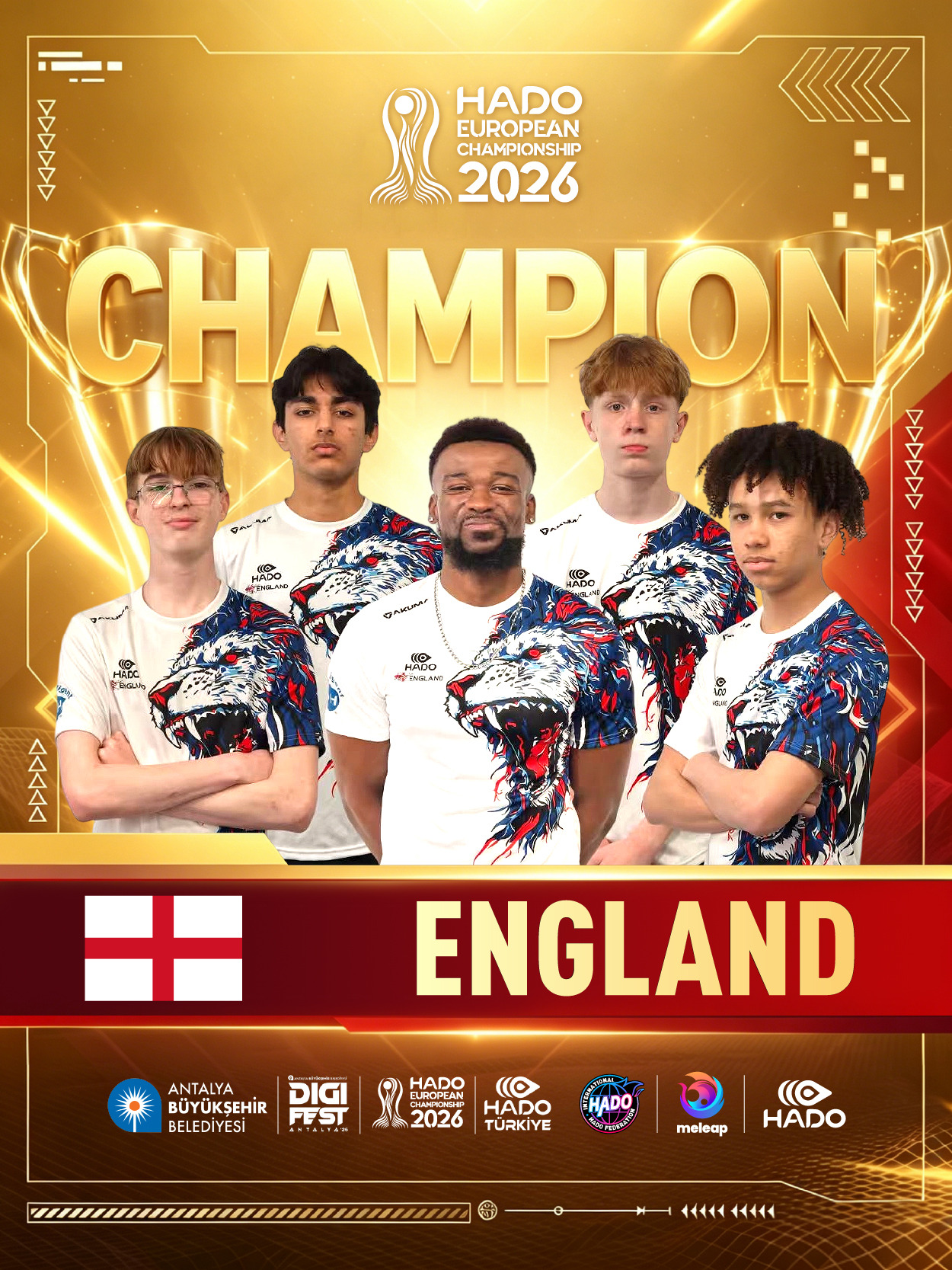
Champion: England

-
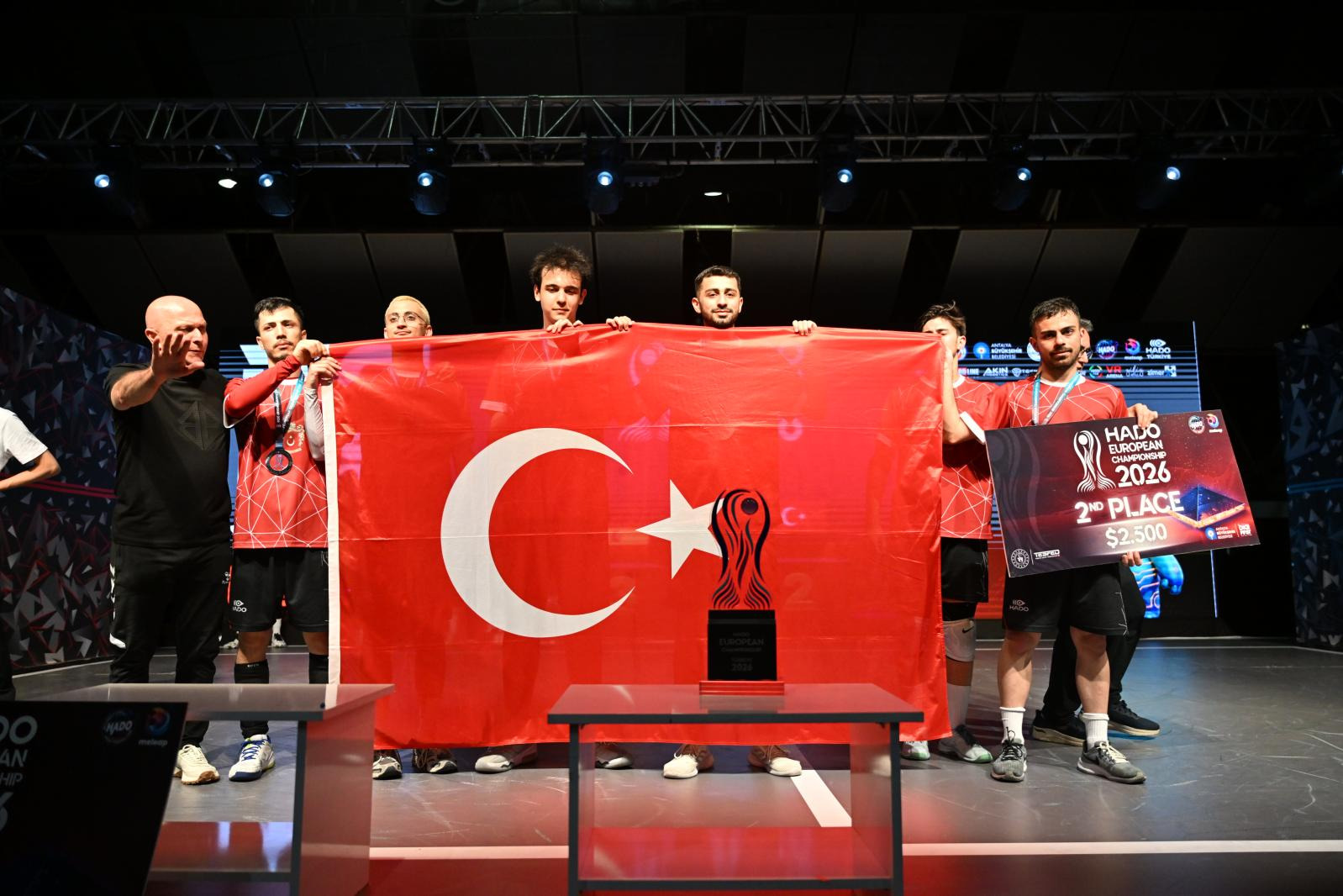
2nd Place: Türkiye
-
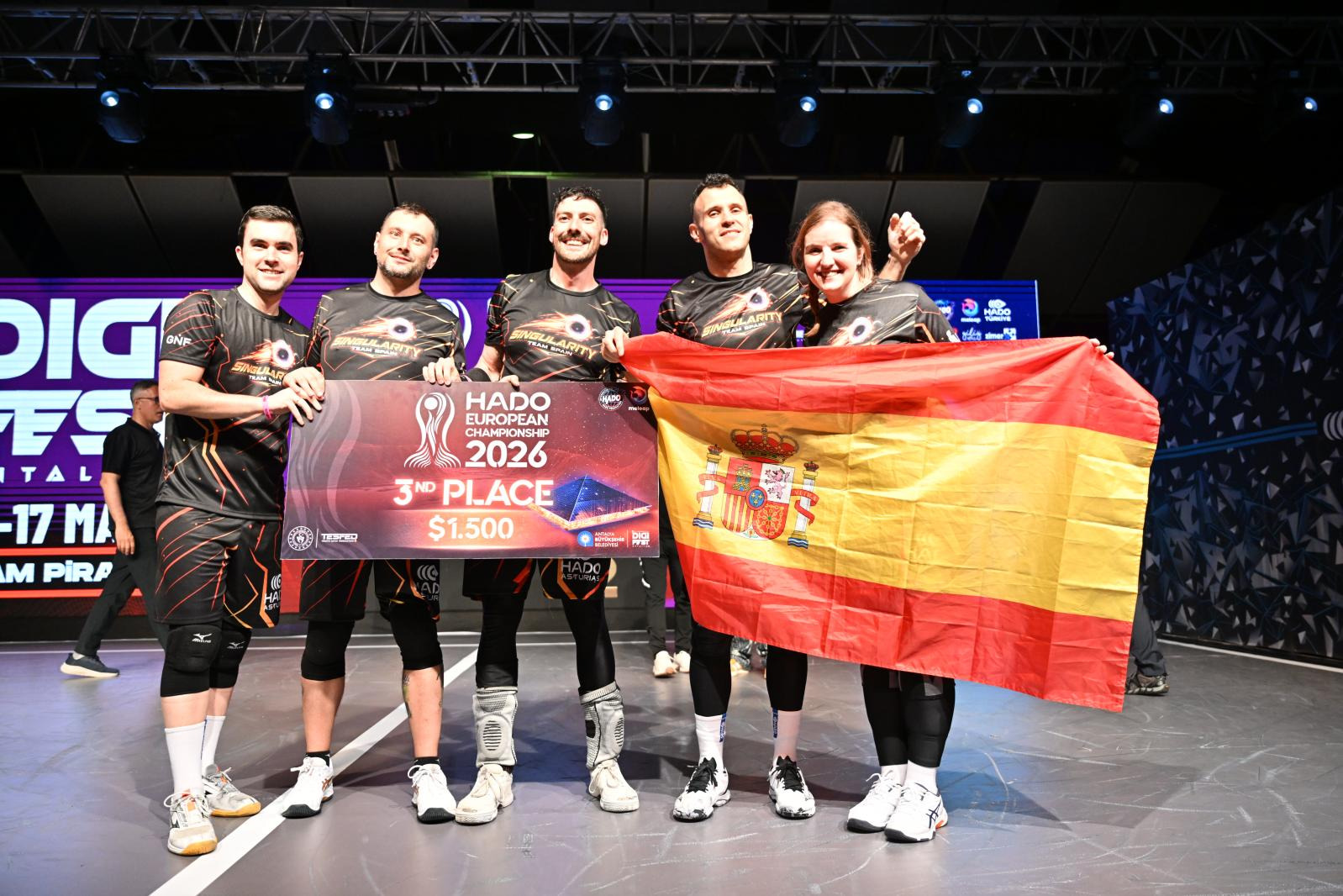
3rd Place: Spain
Different Countries, Different Styles
This year’s championship also showcased the diverse competitive styles of European HADO teams to audiences around the world.
England once again proved why they are considered the strongest team in Europe. Whether in terms of roster depth, individual skill level, or overall teamwork, the English team demonstrated an exceptionally high level of competition throughout the tournament. What stood out most was that not only were their starting players highly skilled, but even their substitute players possessed solid fundamentals and extensive match experience. Every player on the roster showed the ability to perform independently, making the team remarkably balanced overall.
From a tactical perspective, England has developed a very distinctive playstyle centered around relentless offensive pressure combined with elite-level evasion skills. During matches, they constantly applied pressure through aggressive attacks while simultaneously relying on precise movement and outstanding reaction speed to execute high-quality dodges. This allowed them to maintain control throughout transitions between offense and defense. Their “high-pressure offense + extreme evasion” system demands not only exceptional individual ability, but also an extremely high level of coordination and chemistry among teammates. With a mature tactical system, deep player talent, and extensive experience on the international stage, England ultimately claimed the championship title at this year’s HADO European Championship, once again demonstrating their dominance in the European HADO scene.
The host nation, Türkiye, also earned widespread respect throughout the event. The previous HADO European Championship held in Türkiye took place in 2021, where the Turkish team successfully captured the title. Now, with the tournament returning to Türkiye once again, although two European Championships have already passed since then, this event still carried the special meaning of a “title defense” for the Turkish team. Playing at home was both an advantage and a tremendous source of pressure. In the end, Türkiye fought their way to the finals and came within one step of the championship. Although they fell short of defending the title, the courage, determination, and professionalism they demonstrated on the stage earned the admiration of every participating team and spectator.
One team worth highlighting is Spain. At last year’s HADO World Cup, the Spanish team did not achieve the results they had hoped for. However, over the past year, they continuously improved through consistent training and dedication. At this year’s HADO European Championship, Spain showed a completely renewed form and pulled off a major upset in the third-place match by defeating the highly favored Greek team to claim the bronze medal, becoming one of the biggest dark horses of the tournament.
Greece, meanwhile, was left with a sense of regret. As one of the pre-tournament favorites for a medal finish, Greece faced an in-form Spanish side in the bronze medal match. The first game was decided by only a single point, while Spain secured the second game with a five-point advantage. Ultimately, Greece narrowly missed the podium, but their consistent performances throughout the tournament once again proved that they remain one of the strongest and most competitive teams in Europe.
Cyprus also showed remarkable growth. Since the conclusion of last year’s HADO World Cup, the Cypriot team has spent the past year continuously training and gaining valuable competitive experience, resulting in a significant improvement in overall strength. During the group stage of this European Championship, they achieved an impressive total of 9 points, matching Greece and demonstrating strong competitiveness. Their teamwork, tactical execution, and in-game adaptability all showed clear progress compared to previous tournaments. Against several of Europe’s top teams, Cyprus delivered multiple high-quality performances that caught many people’s attention. After a year of growth and transformation, they are gradually emerging as a rising force on the European HADO stage.
Another team worth paying attention to is Wales. This is a young and energetic squad, with the youngest player on the roster being only 14 years old. Although they still lack extensive international tournament experience, their passion and dedication to HADO inspired many spectators at the venue. In the group stage, Wales ultimately finished in sixth place, successfully ranking above Belgium, Morocco, and France. In recent years, by actively participating in domestic leagues within the UK, the overall level of the Welsh team has improved significantly. For them, this European Championship was more like a fresh debut on the international stage, and achieving such a result was already a remarkable accomplishment. As their young players continue to grow, the future potential of this team is certainly something to watch.
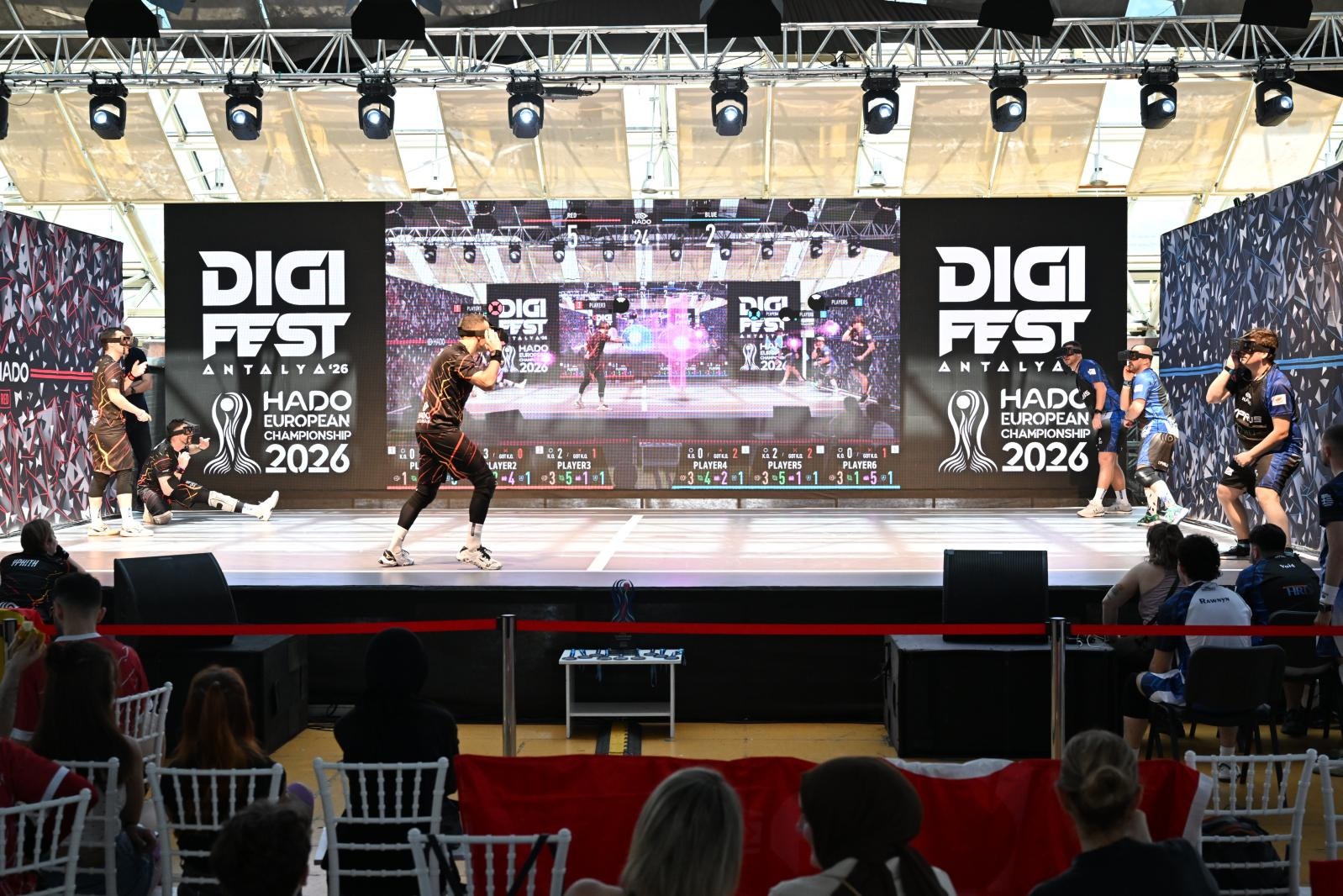
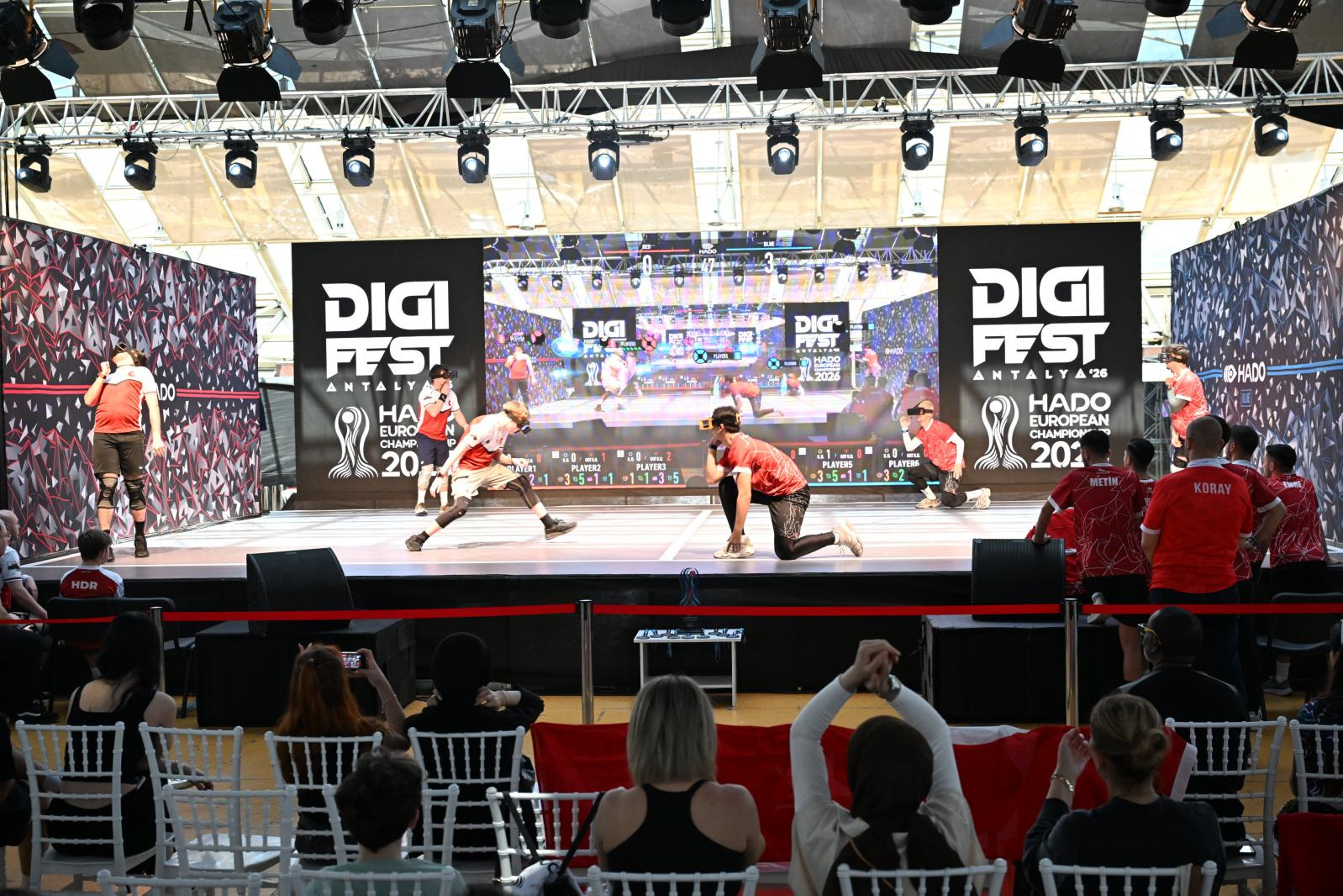
International Standards Driving Global Growth
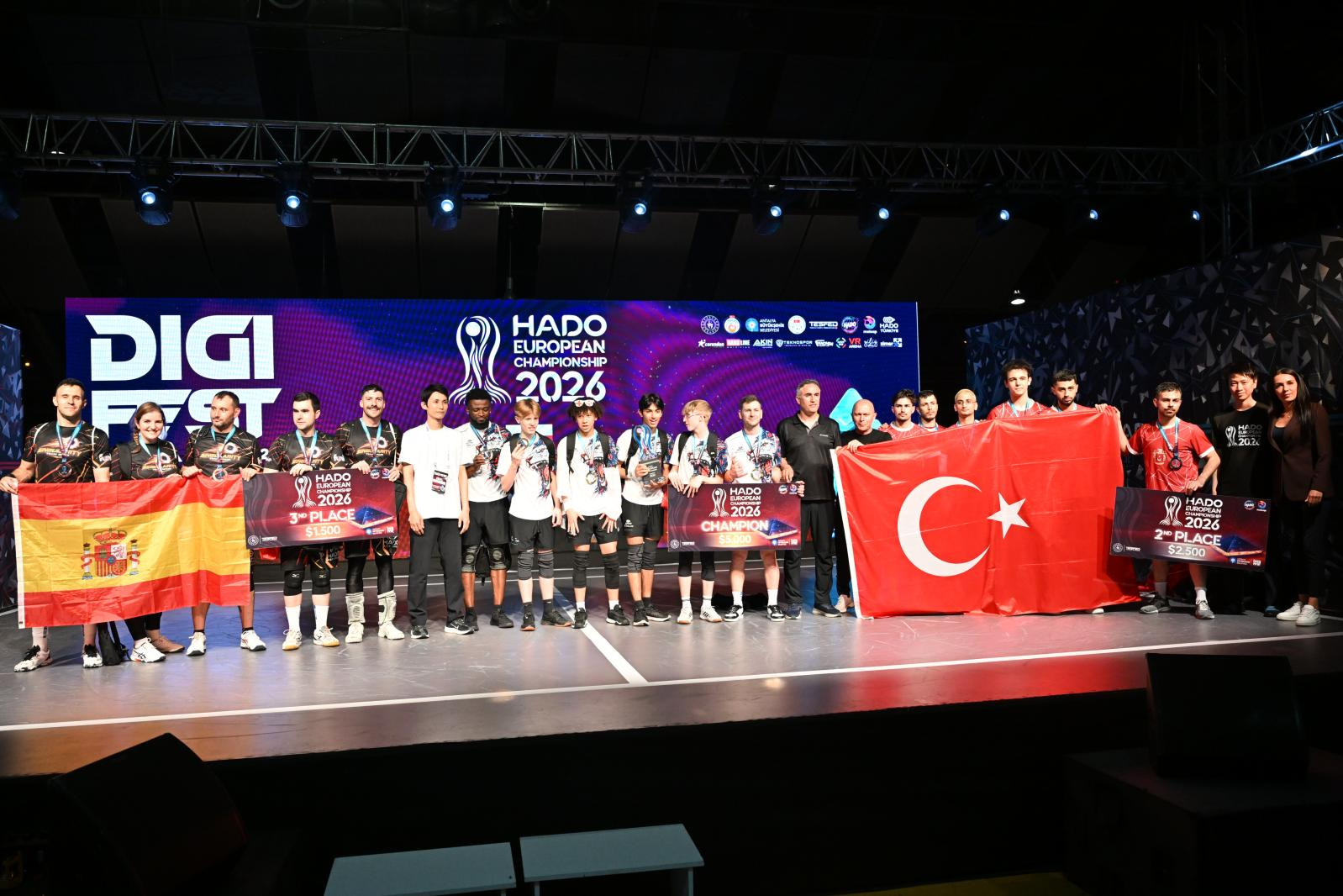
The entire tournament was conducted under the official standards framework established by the International HADO Federation.
Through unified competition rules, referee systems, tournament supervision, player regulations, and international event operation procedures, IHF has gradually established a comprehensive global standard system to ensure that international HADO competitions are conducted in a fair, professional, and organized environment.
As HADO continues to expand worldwide, standardization, professionalism, and internationalization are becoming key pillars of the sport’s future development.
The successful hosting of the 2026 European Championship not only demonstrated the growing competitive maturity of the European region, but also further accelerated the development of a more standardized global HADO competitive system — laying the foundation for even more international tournaments in the future.
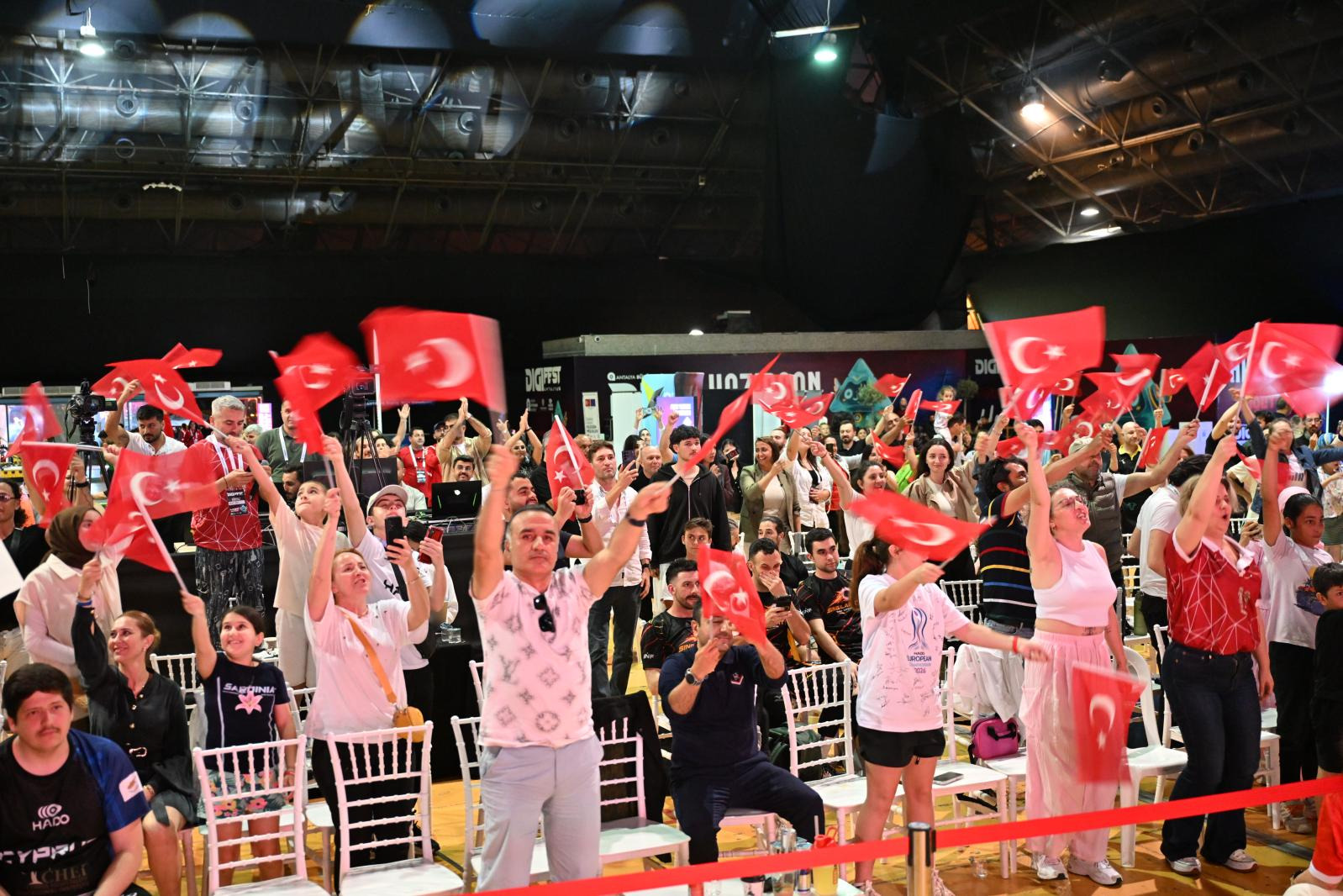



EXPAND HADO
IN YOUR REGION
GET IN TOUCH

Proud supporter of the Tokyo 2025 Deaflympics.
A future sport for everyone to enjoy.