
What Makes HADO Accessible to So Many Players?
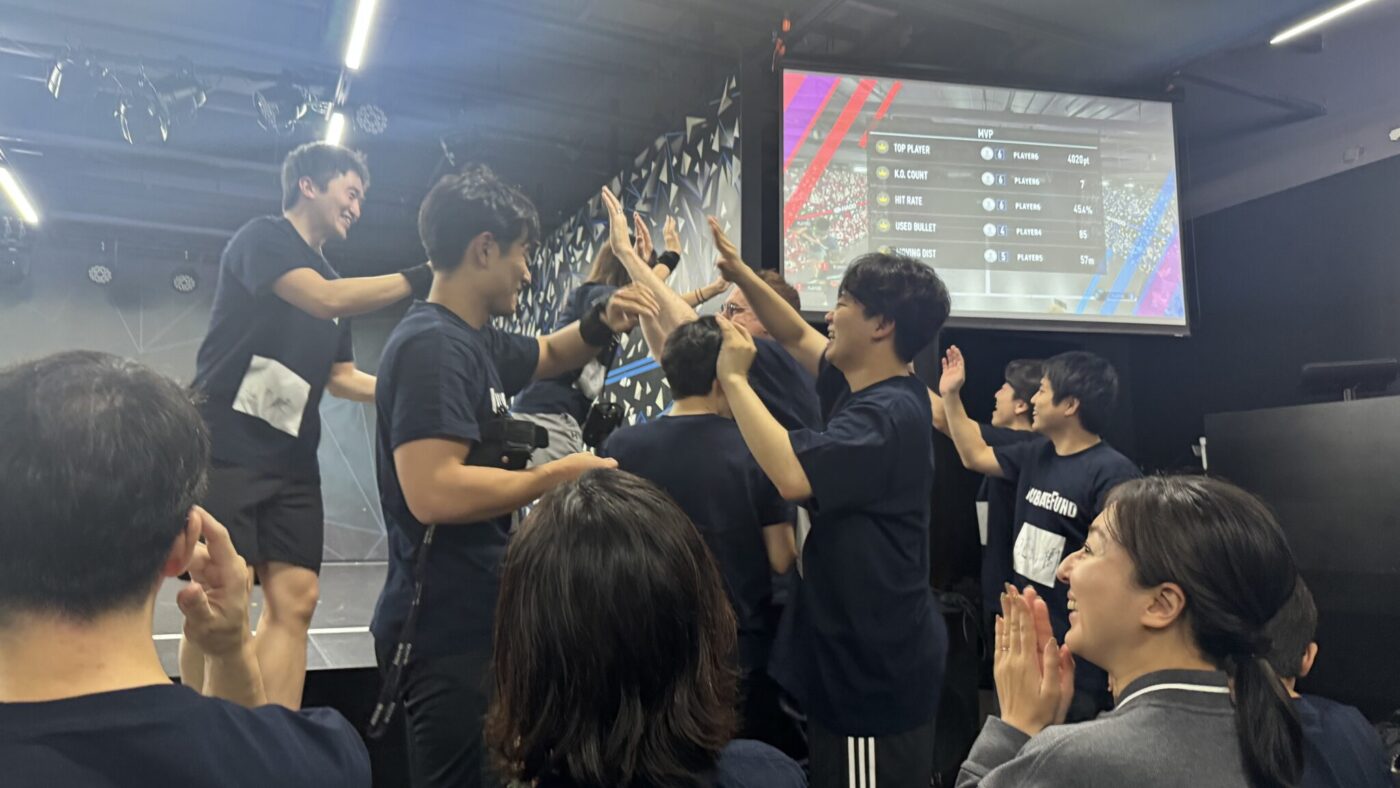
HADO combines physical movement, adjustable ability settings, and teamwork. Discover how this combination makes the sport engaging for players with different levels of sporting experience.
We also introduce its potential as a new form of learning, which has been adopted by over 2,000 educational institutions.
A sport that focuses on the “joy of thinking,” rather than just athletic ability
We often hear comments like these from people who experience HADO for the first time:
“Even though I’m not good at sports, I still enjoyed it.”
“Before I knew it, we were strategizing as a team.”
“Both children and adults got excited together.”
This is no coincidence.
HADO is designed so that everyone, regardless of age, gender, or athletic experience, can “enjoy thinking while playing.”
The Potential of HADO Revealed in Physical Education Classes
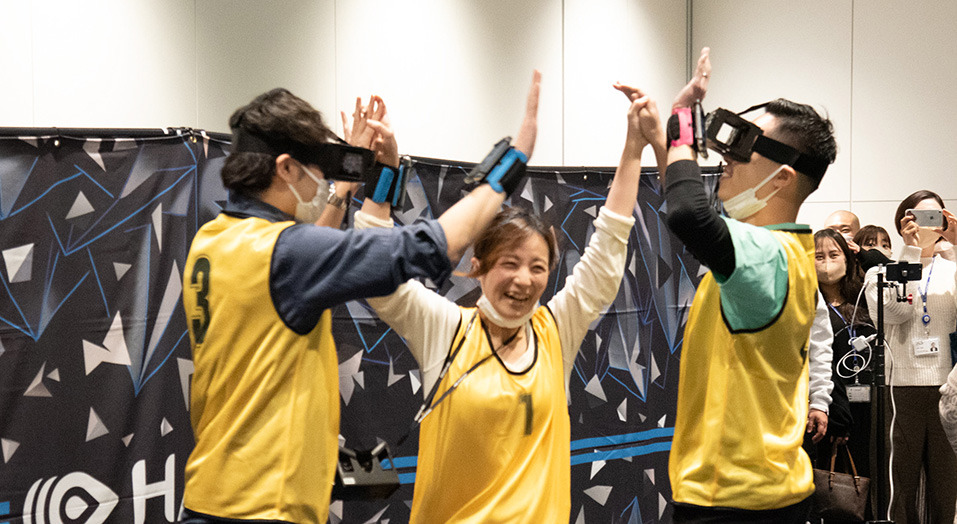
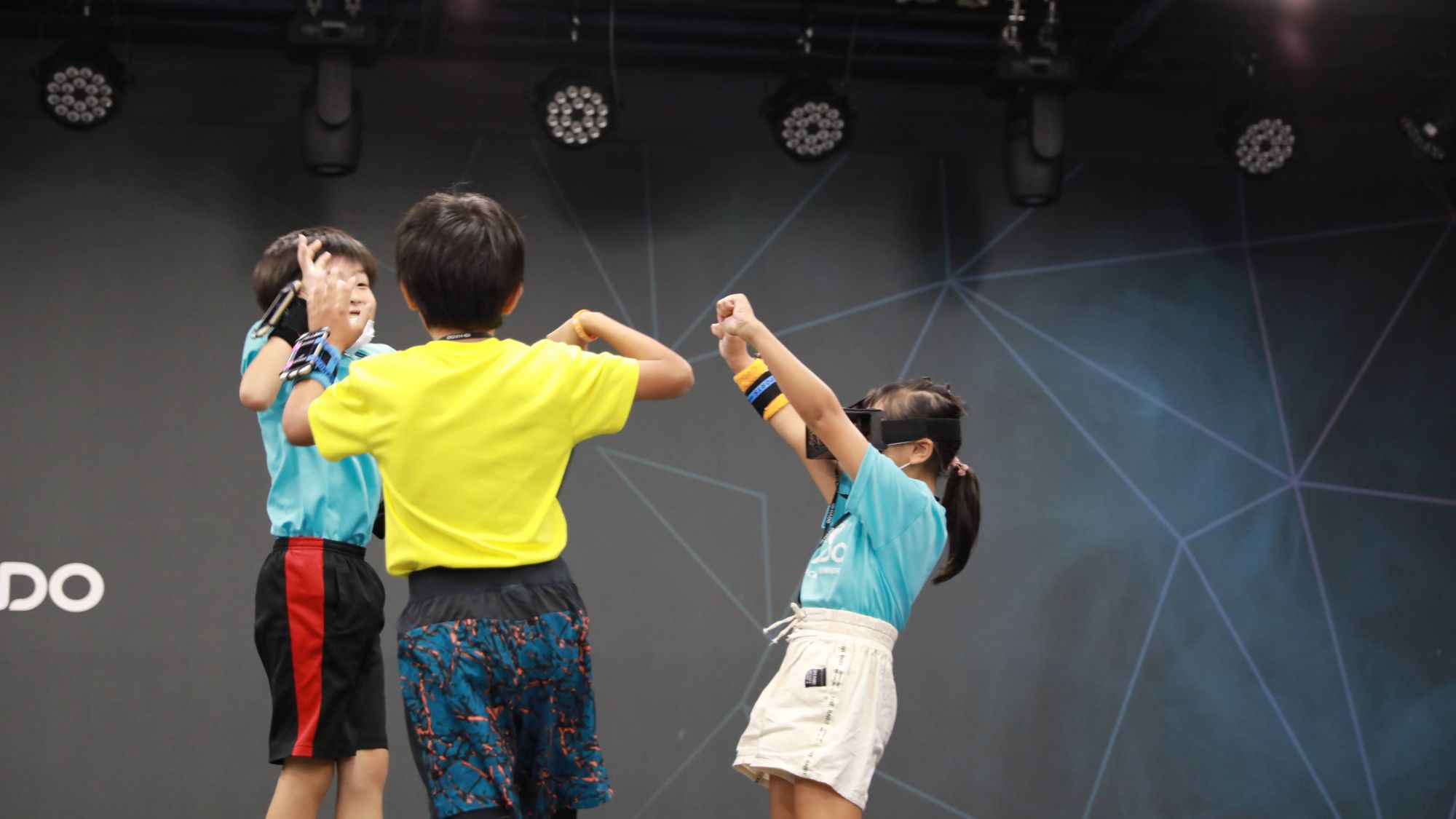
At one elementary school, an experimental lesson using HADO was conducted for educators.
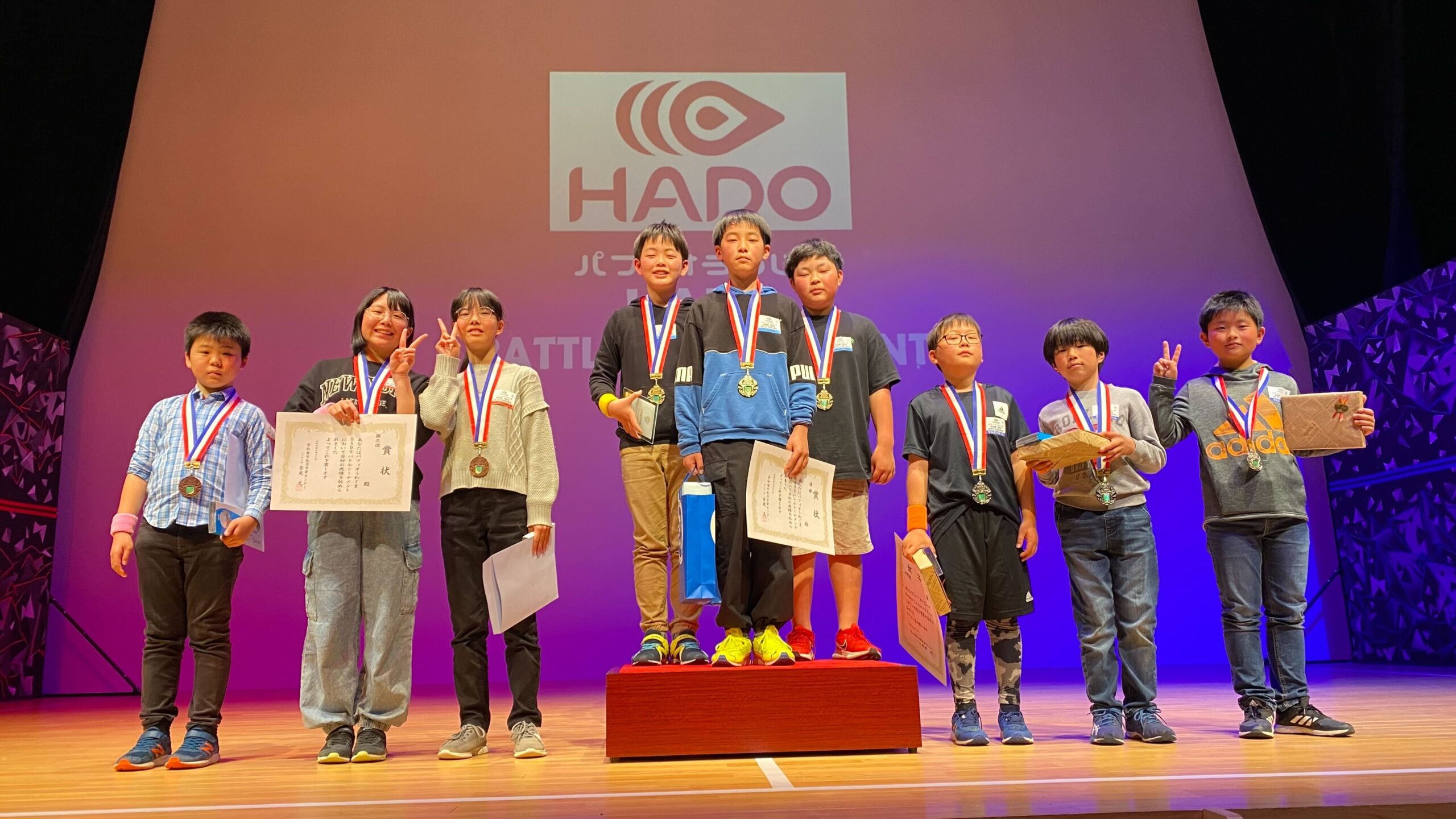
Fourth and sixth graders formed teams and played in a match format, followed by a grade-level competition.
This lesson investigated two themes:
Can younger students win in HADO, where the difference in muscle strength is minimal?
Can children who are not good at sports excel?
The results showed that “certain trends were observed.”
In reality, children with higher athletic ability often performed better. However, at the same time, children who tend to be reluctant to participate in regular sports naturally joined in playing HADO.
And the most impressive aspect of this lesson was something else entirely.
Just about an hour after the start, the children spontaneously began a “tactical meeting.”
This approach has spread among educators and is now used in over 2,000 educational institutions worldwide, and research into this new form of learning continues.
https://hado-official.com/en/news/2000schools-have-adopted-hado/

HADO emphasizes the “joy of thinking.”
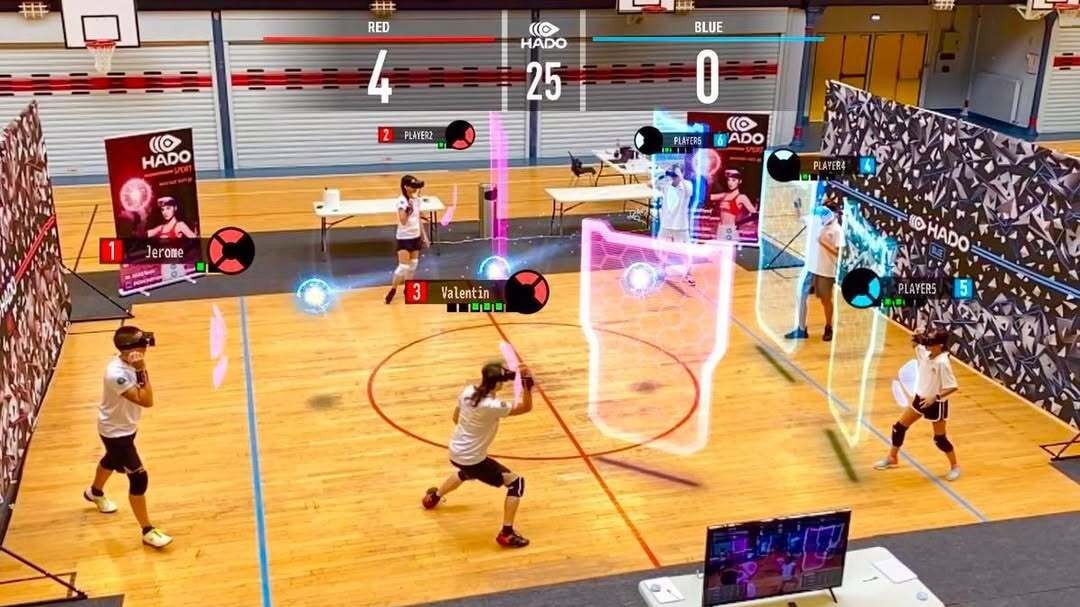
In HADO, players can customize their own abilities before a match.
For example, they can freely allocate limited points to things like:
- bullet speed
- bullet size
- rate of fire
- shield durability
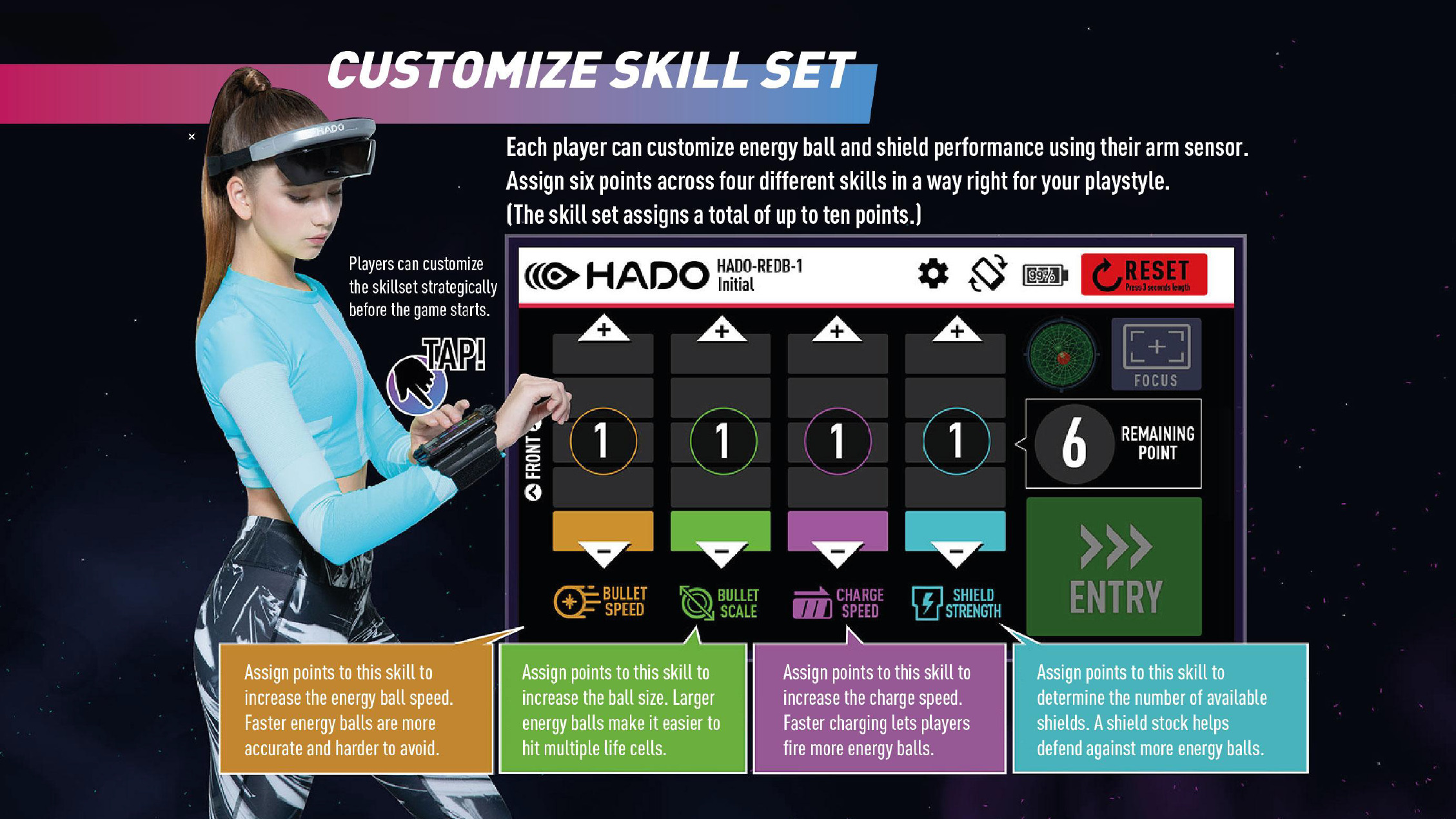
In other words, players must decide for themselves whether to focus on offense, defense, or support their teammates.
HADO offers the enjoyment of building strategies.
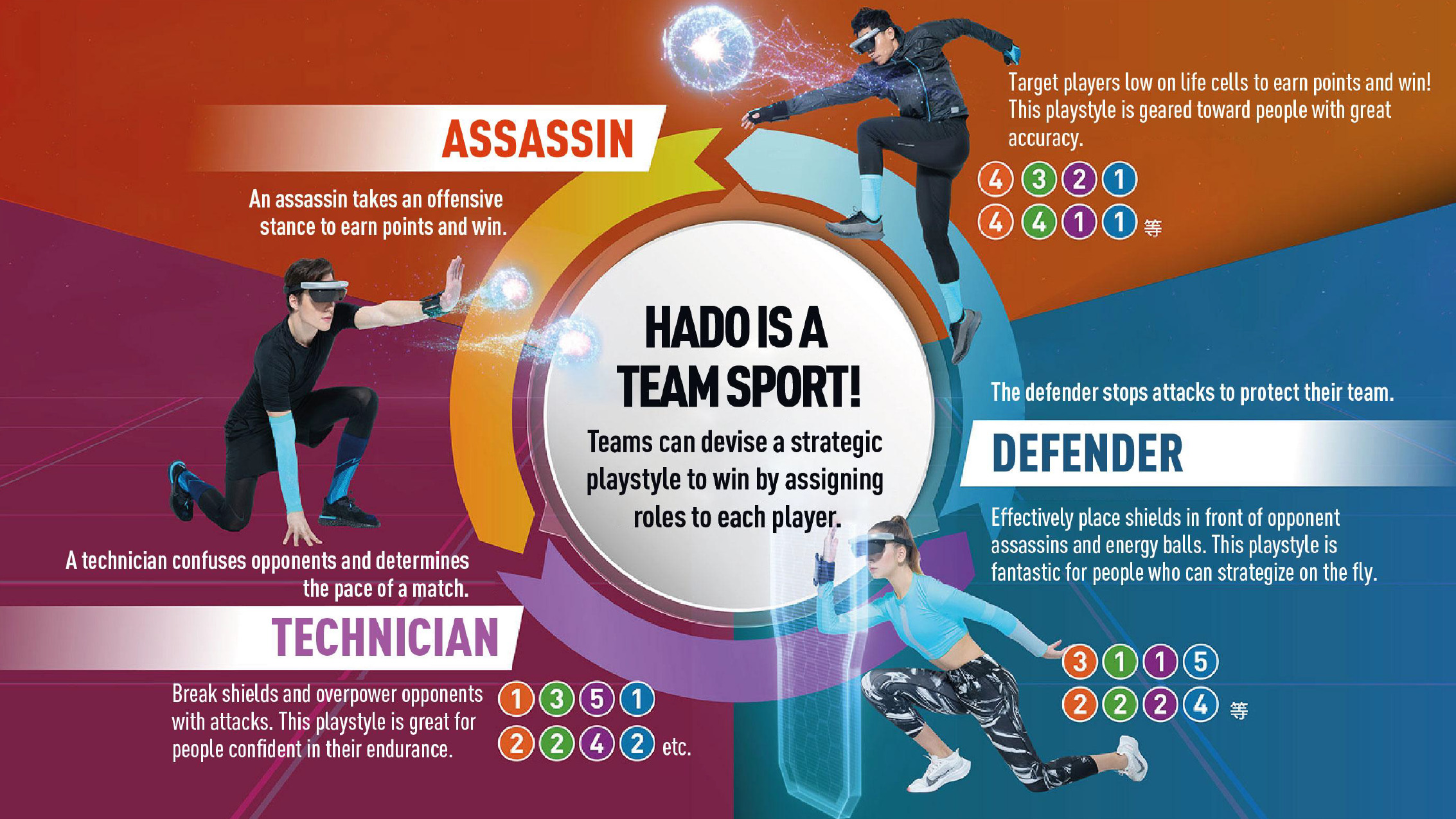
Why do people immediately start thinking about tactics?
Of course, many sports have tactics.
However, in reality, many people develop a dislike for tactics during the basic training stage before they even get to the fun of it.
For example, in basketball, you need to be able to dribble before you can understand tactics.
On the other hand, the basic operations of HADO are very simple.
- Shoot energy balls
- Deploy shields
- Dodge opponent attacks

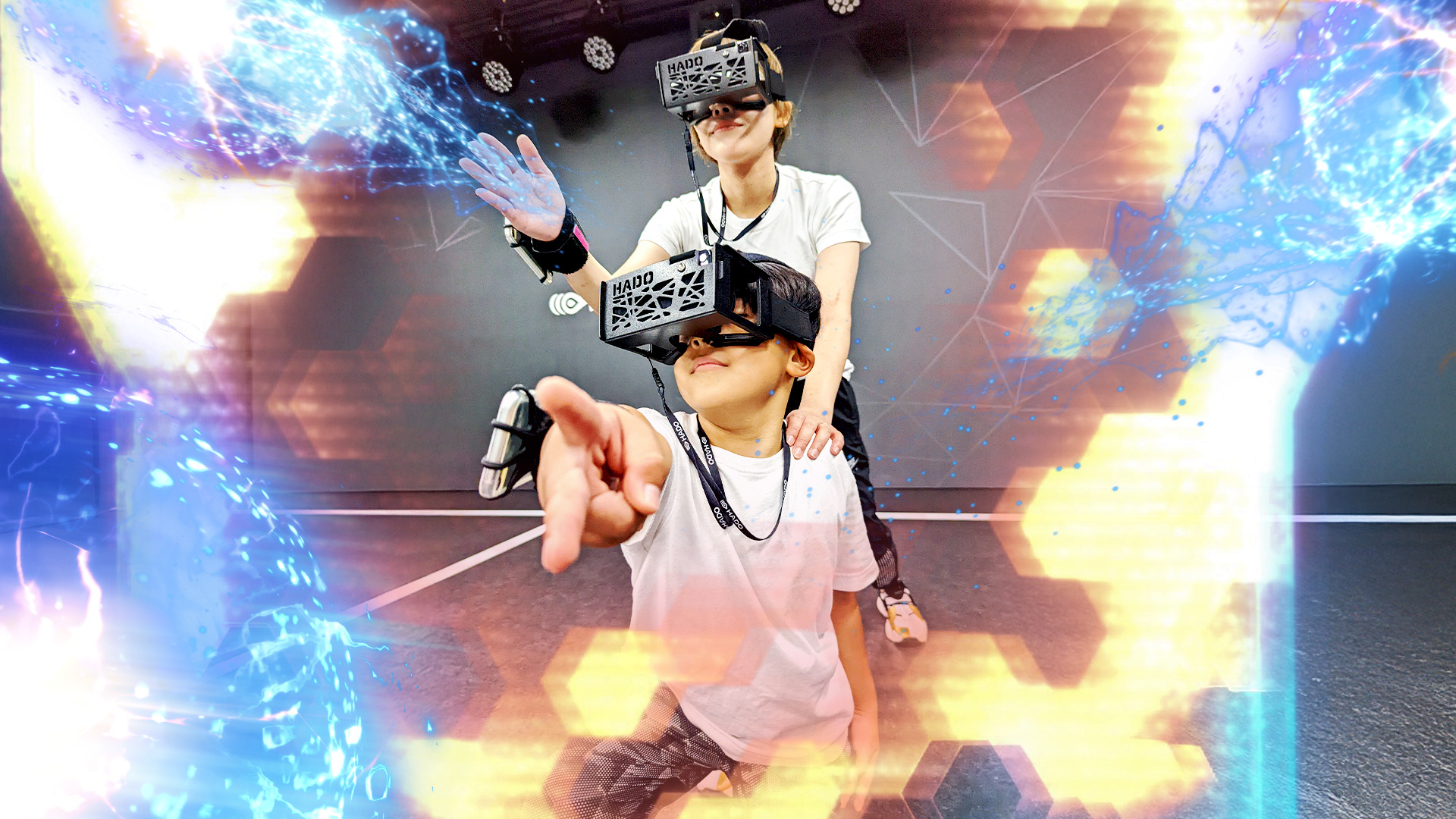

These three things alone can be mastered in just a few minutes.
That’s why players can quickly arrive at tactical thinking: “How can we win?”
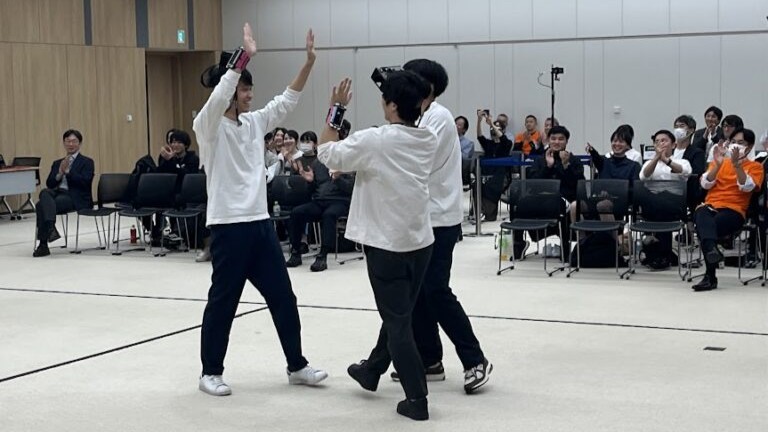
In fact, within about 10 minutes of their first experience playing HADO, conversations like:
“This setting might be stronger,”
“Let’s try a defensive setup next,”
“We should divide the roles,”
are naturally arising. This isn’t just about the gameplay.
It’s about teamwork: discussing, formulating hypotheses, testing, and improving.
The process itself is what gives HADO its value.
“Anyone can play” doesn’t mean “easy.”
HADO is designed so that anyone can participate.
However, that doesn’t mean it’s “simple.”
Rather, because it’s easy to start, you can quickly access its deep strategic aspects.
Victory isn’t determined solely by athletic ability.
Communication and tactics are crucial.
And there are new discoveries with every challenge.
That’s the characteristic of the sport of HADO.
We will continue to evolve, aiming to achieve both “an entry point that anyone can get hooked on” and “a competitive aspect that encourages deep thinking.”



EXPAND HADO
IN YOUR REGION
GET IN TOUCH

Proud supporter of the Tokyo 2025 Deaflympics.
A future sport for everyone to enjoy.