
Japanese Elementary School Uses HADO and Generative AI to Encourage Active Learning
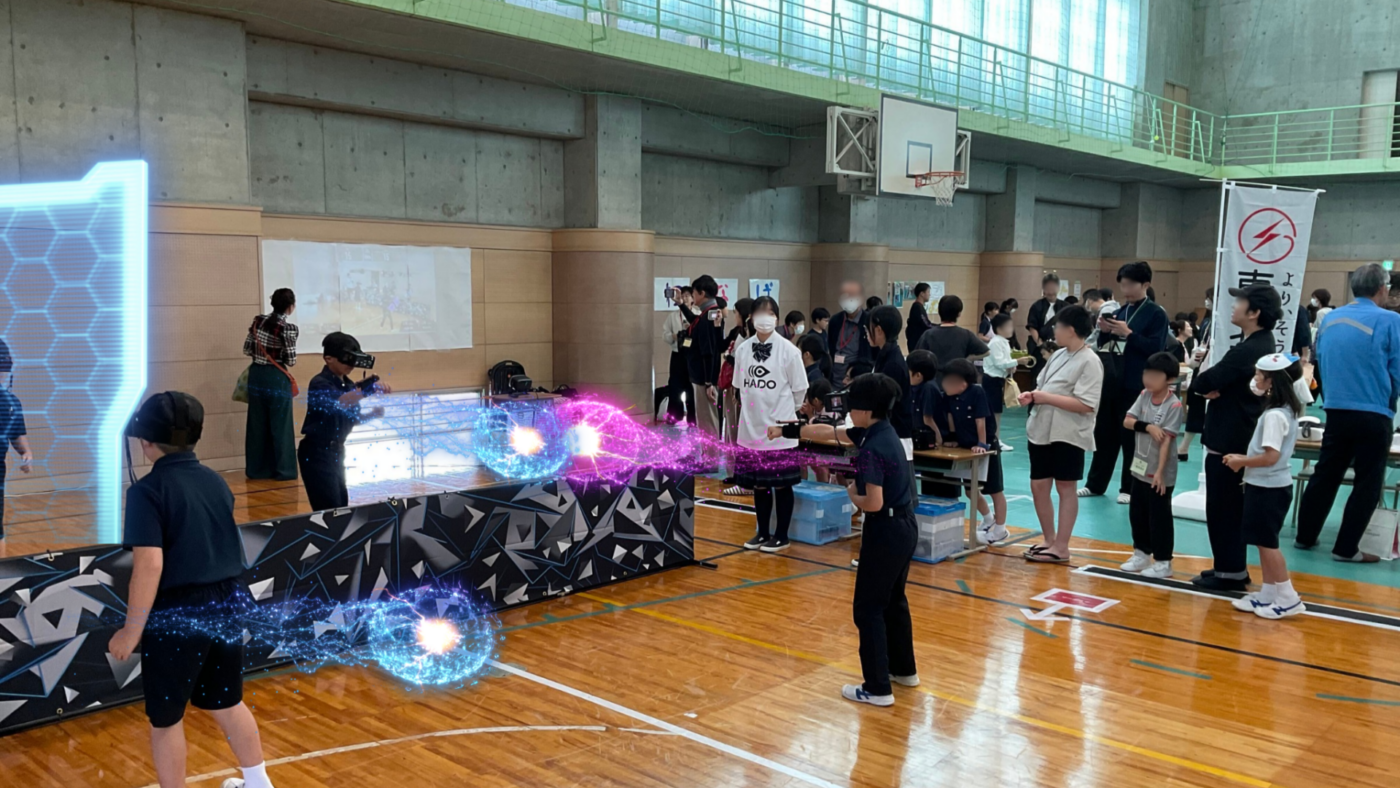
Combining AR sports, strategy boards, and AI-powered feedback, students learn to think independently, communicate with teammates, and develop strategies together. In a post-class survey, approximately 96% of respondents said they actively participated in the lessons.
HADO, the augmented reality (AR) sport developed by meleap Inc., was incorporated into physical education classes at Xaverio Gakuen Elementary School in Koriyama, Fukushima, Japan, for the second consecutive year.
This year’s program built on the previous year’s experience by introducing strategy boards and generative AI to encourage students to think critically, exchange ideas, and work together as a team.
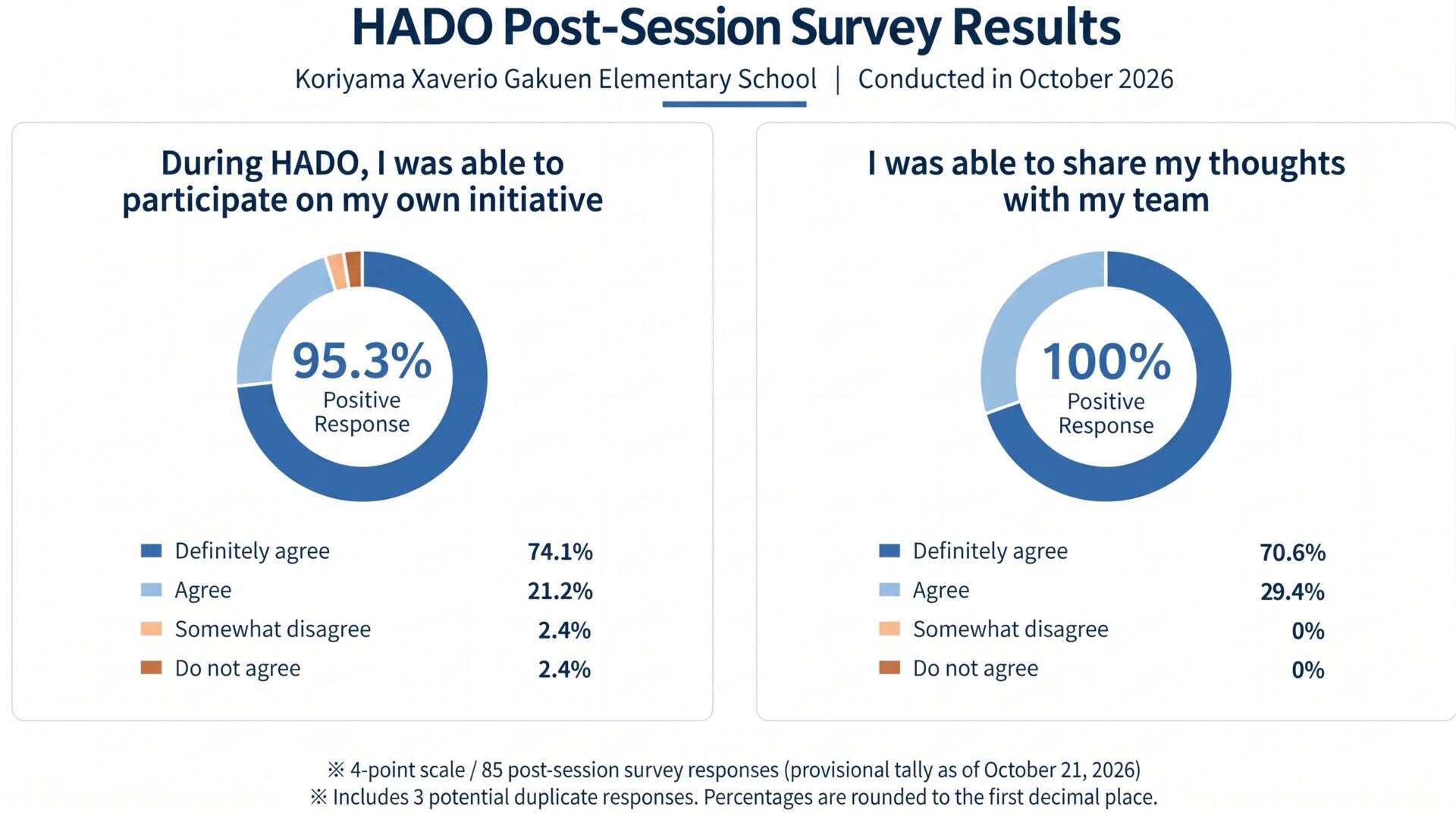
The post-class survey showed encouraging results: approximately 96% of respondents said they actively participated in the lessons, while all 67 respondents said they were able to share their ideas with their teammates.
From School Events to Physical Education Classes
The program included a HADO experience booth at the school’s annual bazaar on October 4, 2026, followed by physical education classes from October 6 to 8.
Approximately 170 students, parents, and other visitors experienced HADO at the bazaar. In the PE classes, approximately 110 students in grades 4–6 took part in HADO activities.
Before the program, meleap provided school staff with guidance on equipment operation and event procedures, helping establish a system in which the school could take the lead in running the activities.
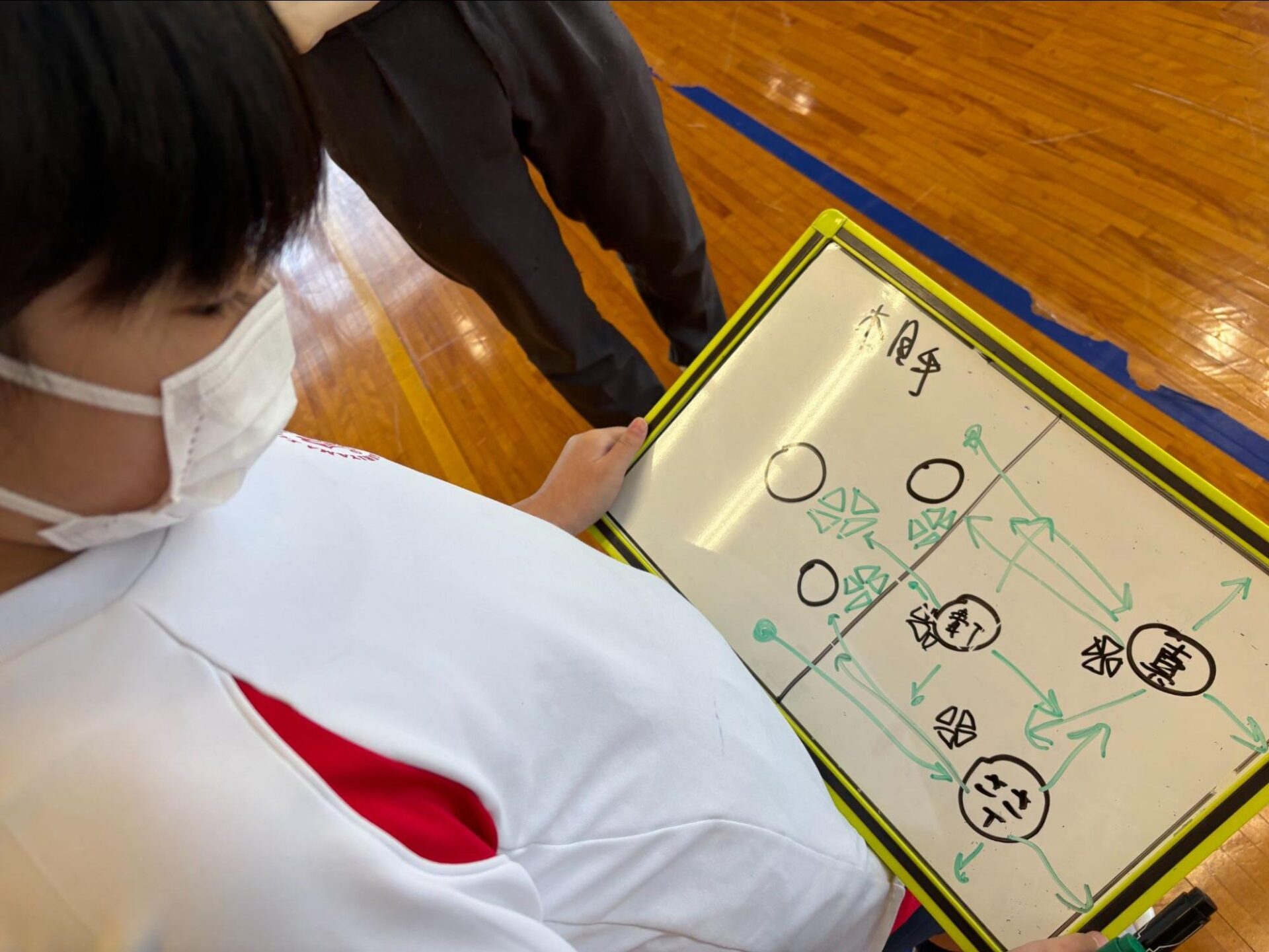
This year, the program went beyond simply playing the sport. Students also took part in team strategy sessions using strategy boards and School AI, an educational generative AI platform.
Through these activities, students had opportunities to think, discuss, and put their ideas into practice.
Learning Through Thinking, Discussion, and Teamwork
Xaverio Gakuen Elementary School values student-centered learning, encouraging children to take initiative and develop through collaboration and hands-on experiences.
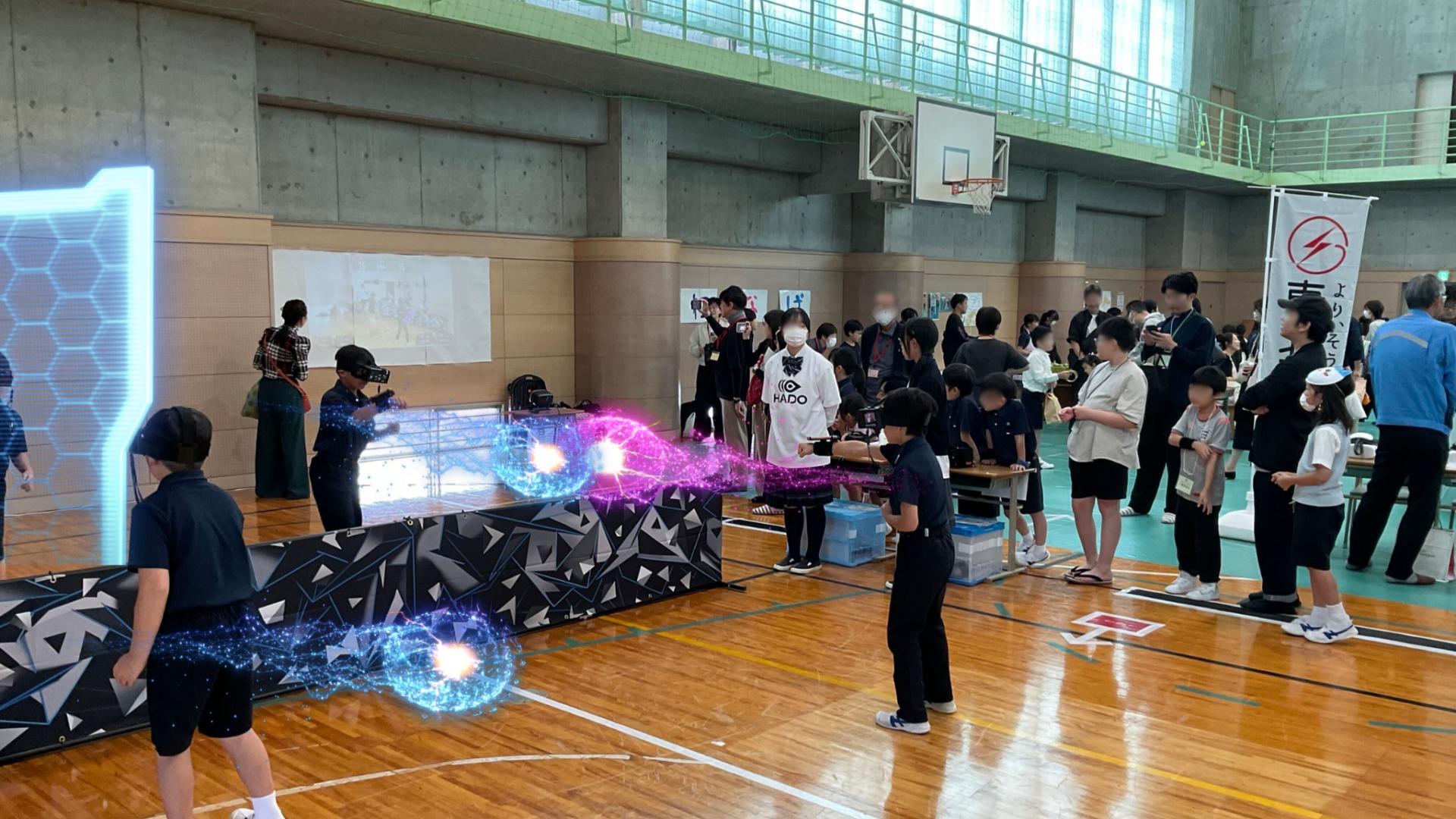
In 2025, the school first introduced HADO into its physical education curriculum. Students developed strategies, cooperated with teammates, and enjoyed being physically active through gameplay.
Following positive feedback from the previous year’s program, the school continued the initiative for a second year.
This year’s lessons placed greater emphasis on the process of thinking and communicating. Students discussed how to respond to their opponents’ movements, how to divide roles within their teams, and which strategies might work best.
They then tested their ideas through HADO matches and reflected on the results.
By connecting discussion with physical activity, the lessons encouraged students to learn not only through playing, but also through thinking and working together.
Generative AI Supports Students’ Strategic Thinking
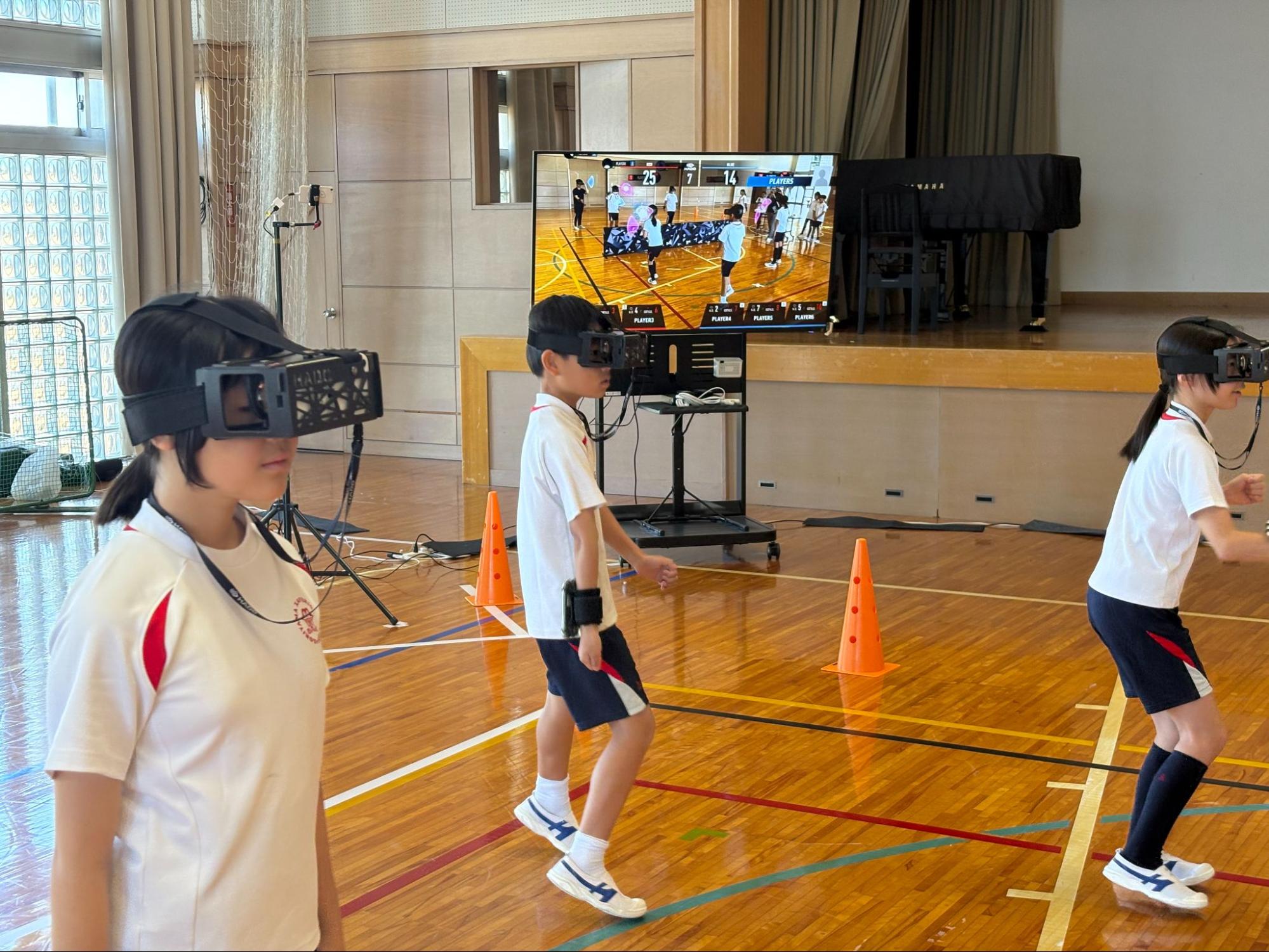
One of the key additions to this year’s program was the use of strategy boards and School AI, an educational generative AI platform provided by Mingaku Inc.
During strategy sessions, students interacted with an AI tool configured with specific prompts to provide suggestions and feedback based on their ideas.
Rather than simply giving students the answers, the AI offered advice to help them consider different approaches and develop their own strategies.
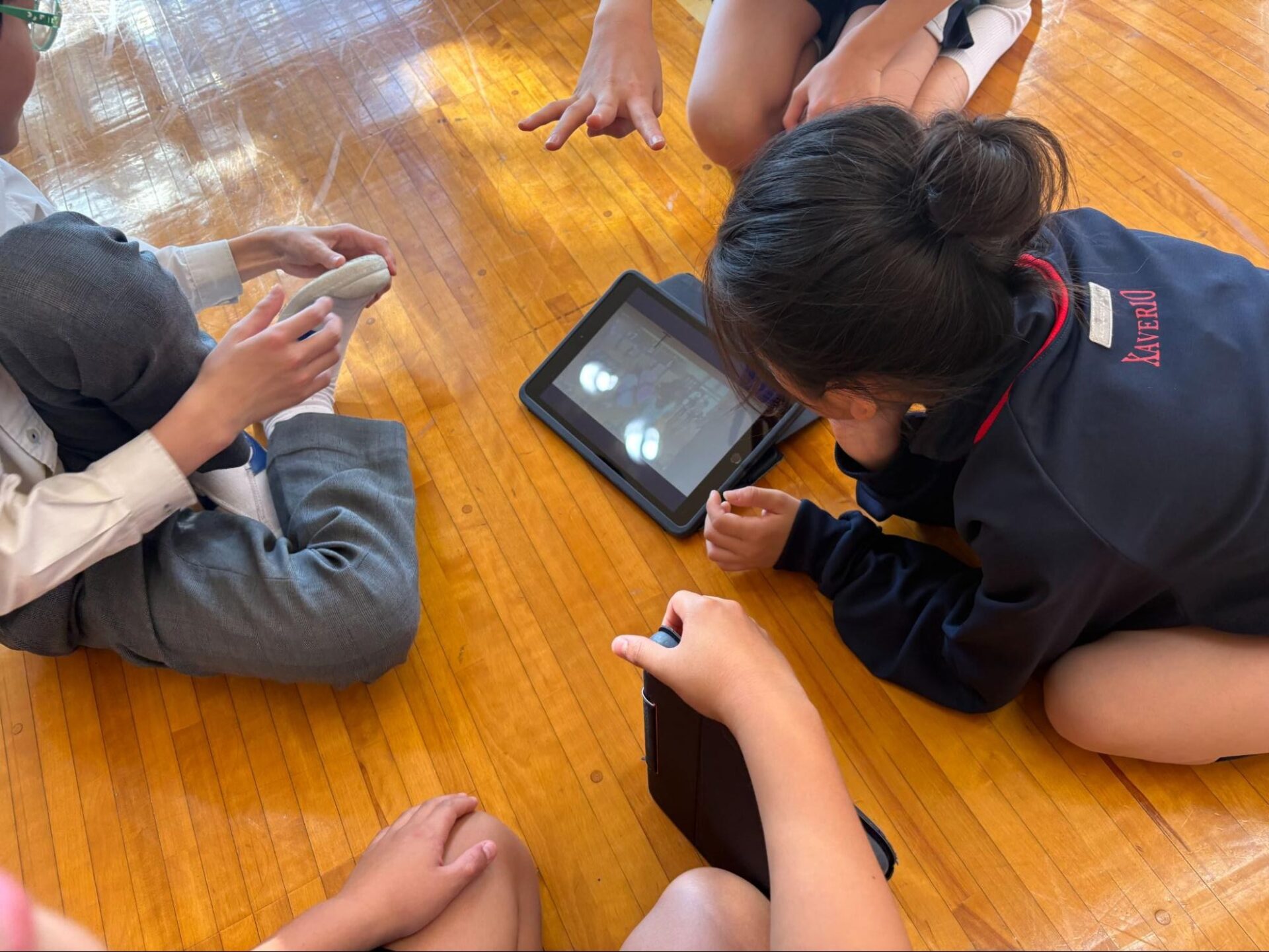
Students used the AI’s suggestions as a reference, while making their final decisions through discussion with their teammates.
This approach also helped make waiting time between matches more meaningful, turning it into an opportunity for strategic thinking and collaboration.
Post-Class Survey Shows Positive Student Engagement
Students completed surveys before and after the program to share their experiences and attitudes toward physical education and communication with classmates.
In the pre-class survey, 34 out of 93 responses (36.6%) indicated that students had little or no confidence in physical activity.
Additionally, 67.7% of respondents said they usually communicated their ideas to friends during PE classes.
The post-class survey following the HADO lessons showed the following results:
- Approximately 96% said they actively participated in the lessons.
- 100% (67 out of 67 respondents) said they were able to share their ideas with their teammates.
These findings suggest that working toward a shared goal and developing strategies together can provide opportunities for students to communicate and collaborate with one another.
Note: The post-class survey received 67 responses as of October 19, 2026. The pre- and post-class surveys used different questions and had different numbers of respondents. Therefore, the results should not be interpreted as a direct comparison or proof of educational outcomes.
HADO Experience at the School Bazaar Attracts Approximately 170 Participants
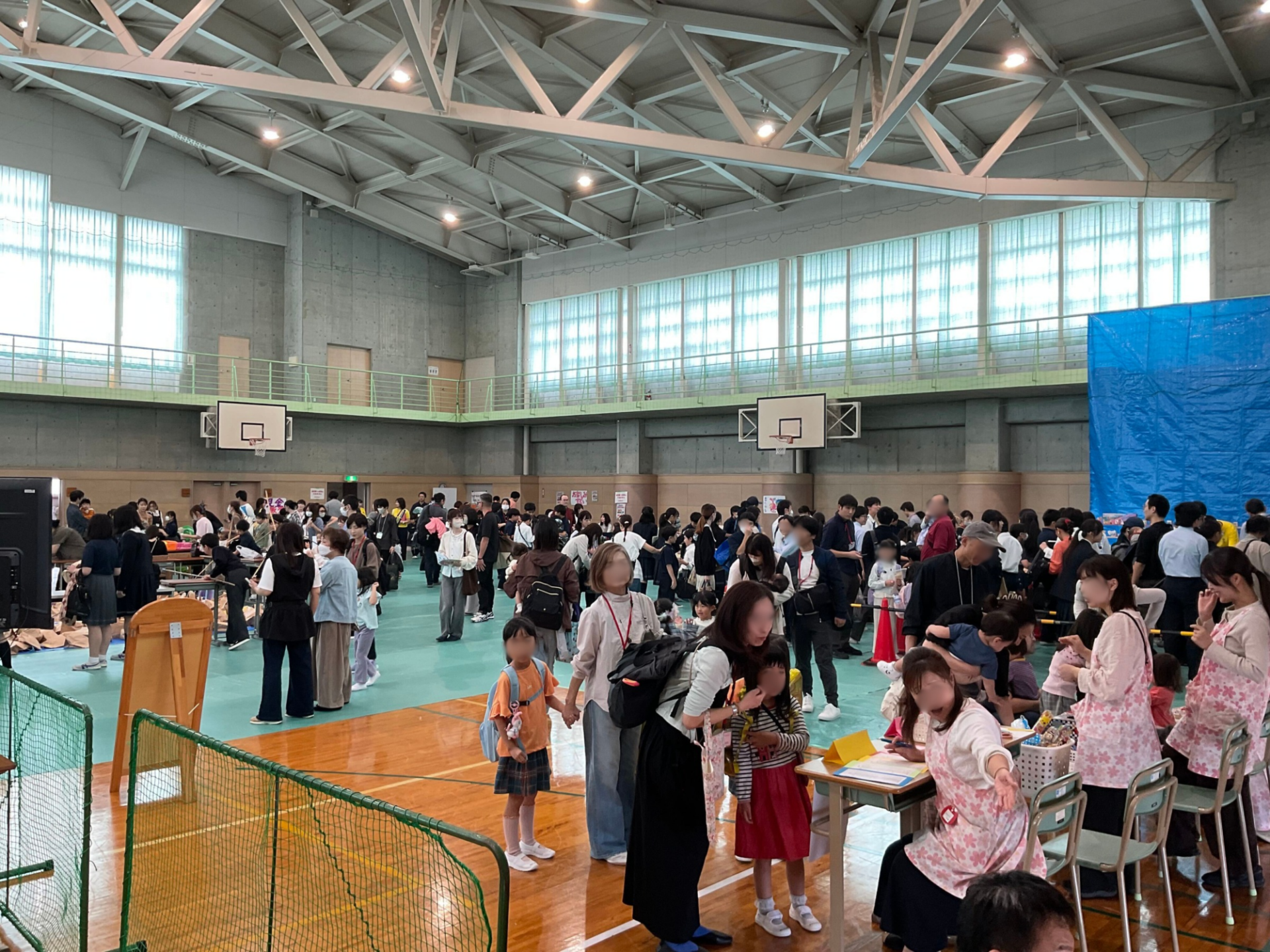
In addition to the PE classes, HADO was featured at the school’s annual bazaar, where approximately 170 people experienced the sport.
This was an increase from the approximately 130–140 participants recorded the previous year. Some students also chose to play multiple times.
By incorporating HADO into both school events and physical education classes, Xaverio Gakuen Elementary School has created opportunities for students, parents, and members of the local community to experience the sport.
In the classroom, HADO serves as an activity that encourages learning through physical movement and teamwork. At school events, it offers visitors an opportunity to enjoy an interactive sports experience.
Teacher’s Comments
Mr. Aoyama, Teacher at Xaverio Gakuen Elementary School
“During our second year of using HADO, we were able to make significant improvements by refining our lesson plans and the way we used teaching materials.
Last year, each class had only one lesson, so most of the time was spent allowing students to experience the game. This year, we secured two lessons per class, enabling students to apply the insights and challenges they identified in the first lesson directly to the second. This created a deeper learning cycle.
Another major improvement was introducing generative AI and strategy boards during waiting periods. Instead of simply waiting for their turn, students could use that time to develop tactics and think collaboratively. This allowed us to create PE lessons that involve not only physical activity but also strategic thinking.
We also expanded the program to students in grades 4–6, which allowed us to observe differences in their thinking and the quality of their discussions at different developmental stages.
Many students expressed their enthusiasm by saying, ‘I want to play again!’ and ‘I want to use the tools more to develop strategies!’ This experience has shown us the great potential of incorporating ICT into physical education.
We also set up a HADO experience booth at the school bazaar, where even more people participated than the previous year. It was a valuable opportunity to show parents and members of the local community how advanced technology can be incorporated into children’s education and to let them experience it firsthand.
We are deeply grateful to meleap Inc. for their generous support in providing these valuable experiences for our students and local community.”
Looking Ahead: Further Developing Learning Through Practice and Reflection
During this year’s program, multiple teams took turns playing on a single HADO court. As a result, there was limited time for each team to test and refine its strategies.
Mr. Aoyama also shared the idea that a longer program could provide more opportunities for students to repeat the process of developing strategies, putting them into practice, and reflecting on the results.
meleap will continue working with schools and educational professionals to explore the educational potential of HADO, creating opportunities for children to enjoy physical activity while developing independent thinking and collaboration skills.
Program Overview
- School: Xaverio Gakuen Elementary School (Koriyama, Fukushima, Japan)
- Program Period: October 3–8, 2026
- Participants: Approximately 110 students in grades 4–6
- Format: 3-on-3 team matches using one HADO court
- Lesson Time: Approximately two hours per student in total
- Activities: HADO gameplay, team strategy discussions, use of strategy boards and School AI, matches, and reflection
- School Bazaar: Approximately 170 participants
About HADO
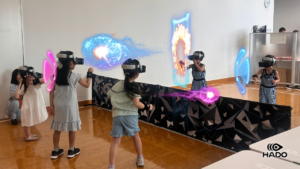
HADO is an augmented reality (AR) sport that combines digital technology with physical activity.
Players wear a head-mounted display and arm sensors, allowing them to launch virtual energy balls and use shields while competing against opponents.
Beyond physical movement, HADO features strategic gameplay that encourages players to anticipate opponents’ movements, communicate, and work together as a team.
HADO is available in more than 40 countries and regions worldwide and is used in a variety of settings, including schools, commercial facilities, community events, and corporate training programs.
Official Website: https://hado-official.com/
HADO for Education: https://hado-official.com/education/
About meleap Inc.
meleap Inc. develops and operates HADO, an AR sports and entertainment experience that uses augmented reality technology to create exciting new ways for people of all ages to enjoy physical activity.
Through technology, meleap aims to create a society where everyone can enjoy moving their bodies and support their physical and mental well-being.
Company: meleap Inc.
Representative Director & CEO: Hiroshi Fukuda
Headquarters: Aqua City Odaiba 5F, 1-7-1 Daiba, Minato-ku, Tokyo, Japan
Business Activities: AR sports and entertainment, event production, and digital skills development and training programs.


EXPAND HADO
IN YOUR REGION
GET IN TOUCH

The International HADO Federation (IHF)
is the international governing body of HADO.