
Is HADO a Sport, a Game, or an Activity?
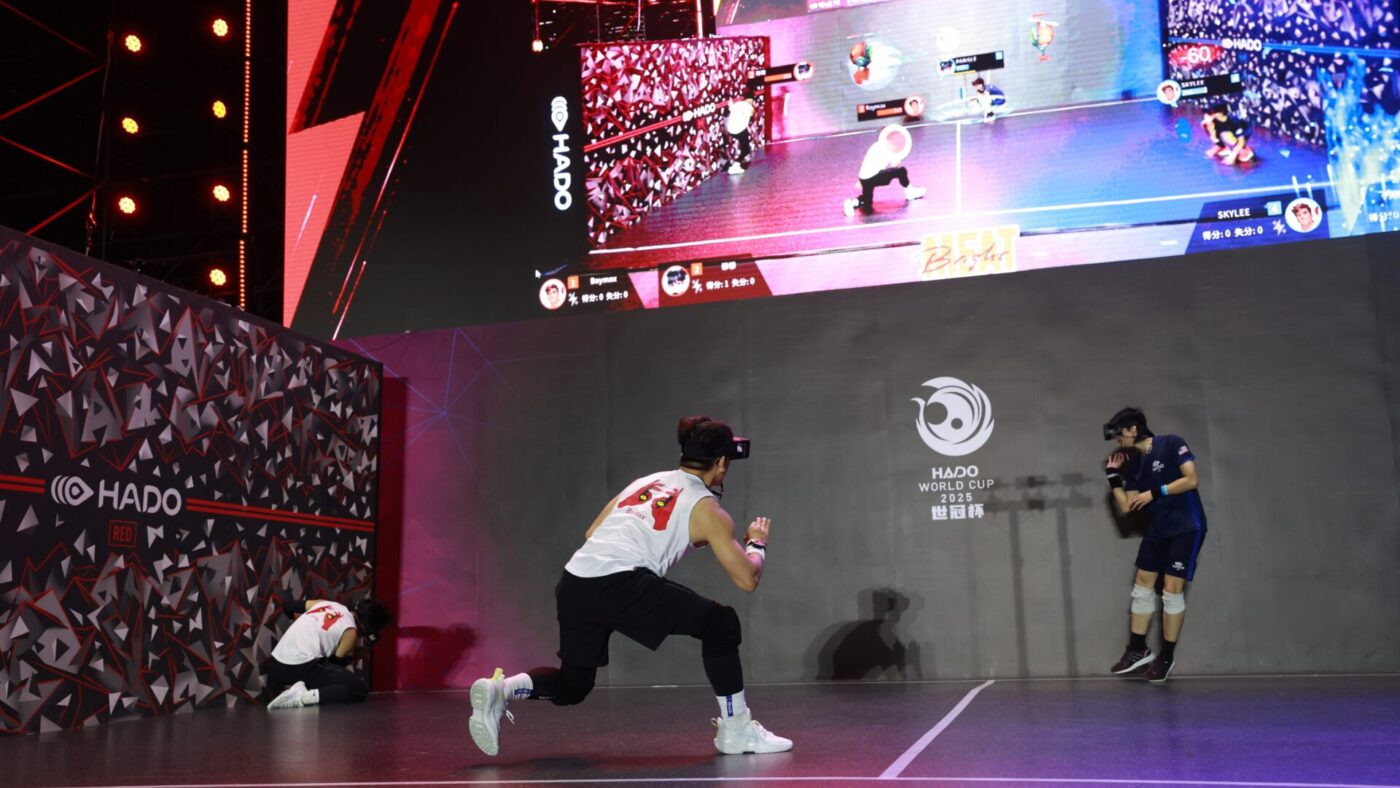
Is HADO a sport, a game, or an activity? While fundamentally a cutting-edge AR sport, HADO transcends simple definition. By fusing real athletics with digital technology, its unmatched versatility seamlessly connects competitive play, education, and XR entertainment.
When we introduce HADO to a new market, one question comes up again and again:
Is HADO a sport, a game, or an activity?
HADO incorporates elements of gaming, XR, entertainment, and digital technology. But at its core, the answer is clear.
HADO is, first and foremost, a sport.
More specifically, it is a new kind of sport that uses augmented reality to bring digital elements into a real-world court.
At the same time, one of the most interesting things about HADO is that it cannot be fully explained by a single category.
It can be played seriously as a competitive sport, enjoyed casually with family and friends, used in schools and educational programs, introduced at corporate and community events, or positioned as a new form of XR entertainment.
It is one sport with connections to many different markets.
That versatility is one of HADO’s greatest strengths.
Why Is HADO a Sport?
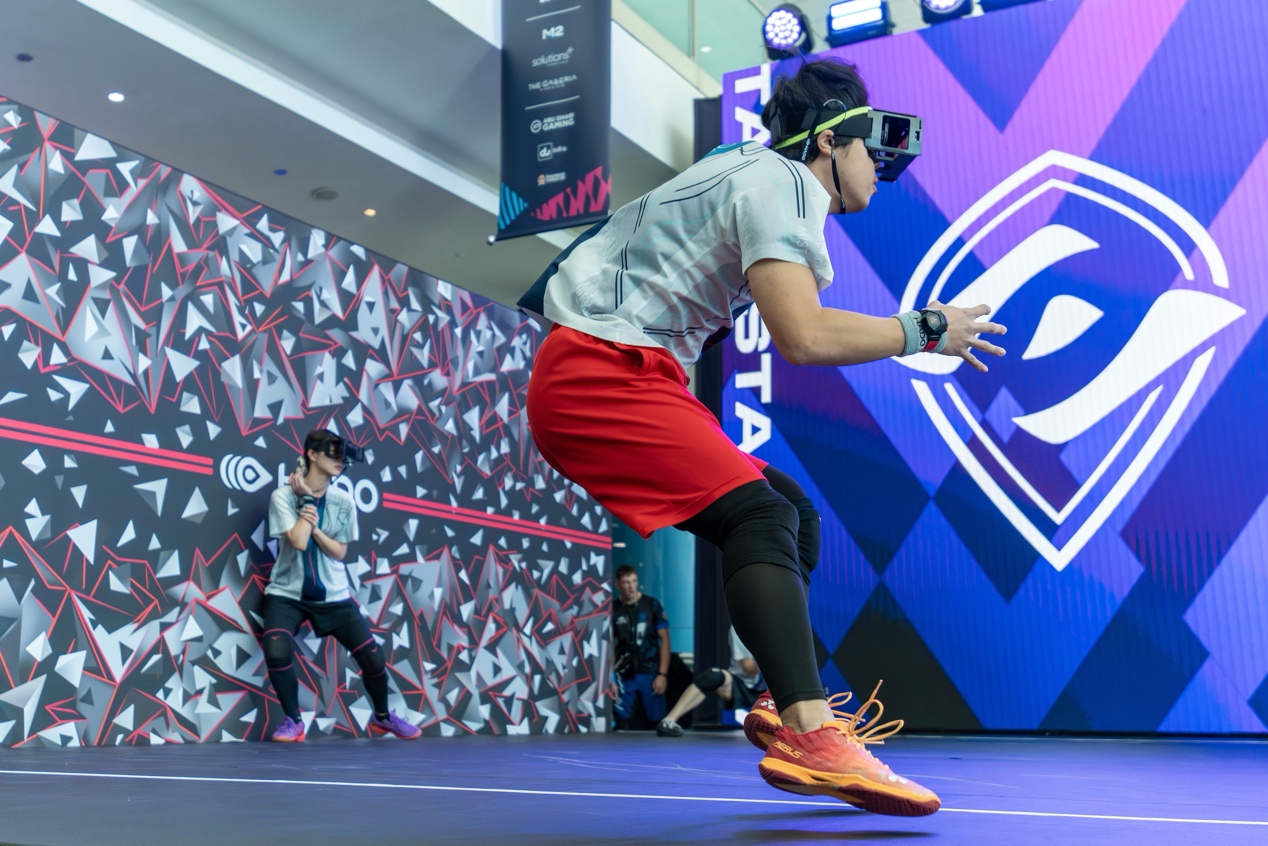
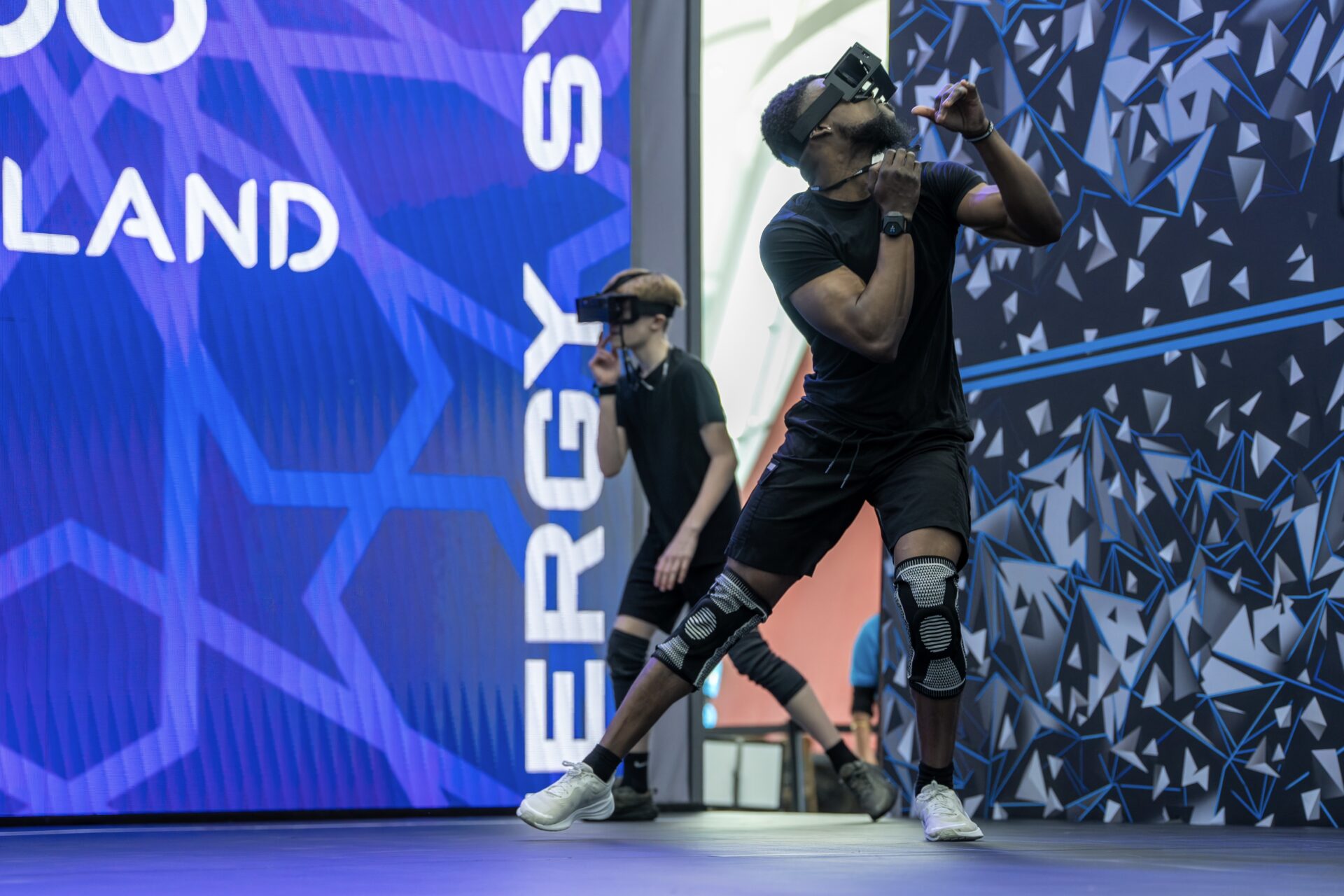
In HADO, players step onto a real court and use their own bodies to compete.
They dodge incoming attacks, change positions, coordinate with teammates, and constantly decide when to attack and when to defend.
Players can also customize attributes such as the speed and size of their Energy Balls, charging speed, and shield strength. These choices create different playing styles and strategies for both individual players and teams.
The basic rules are easy to understand, but winning requires practice, decision-making, strategy, and teamwork.
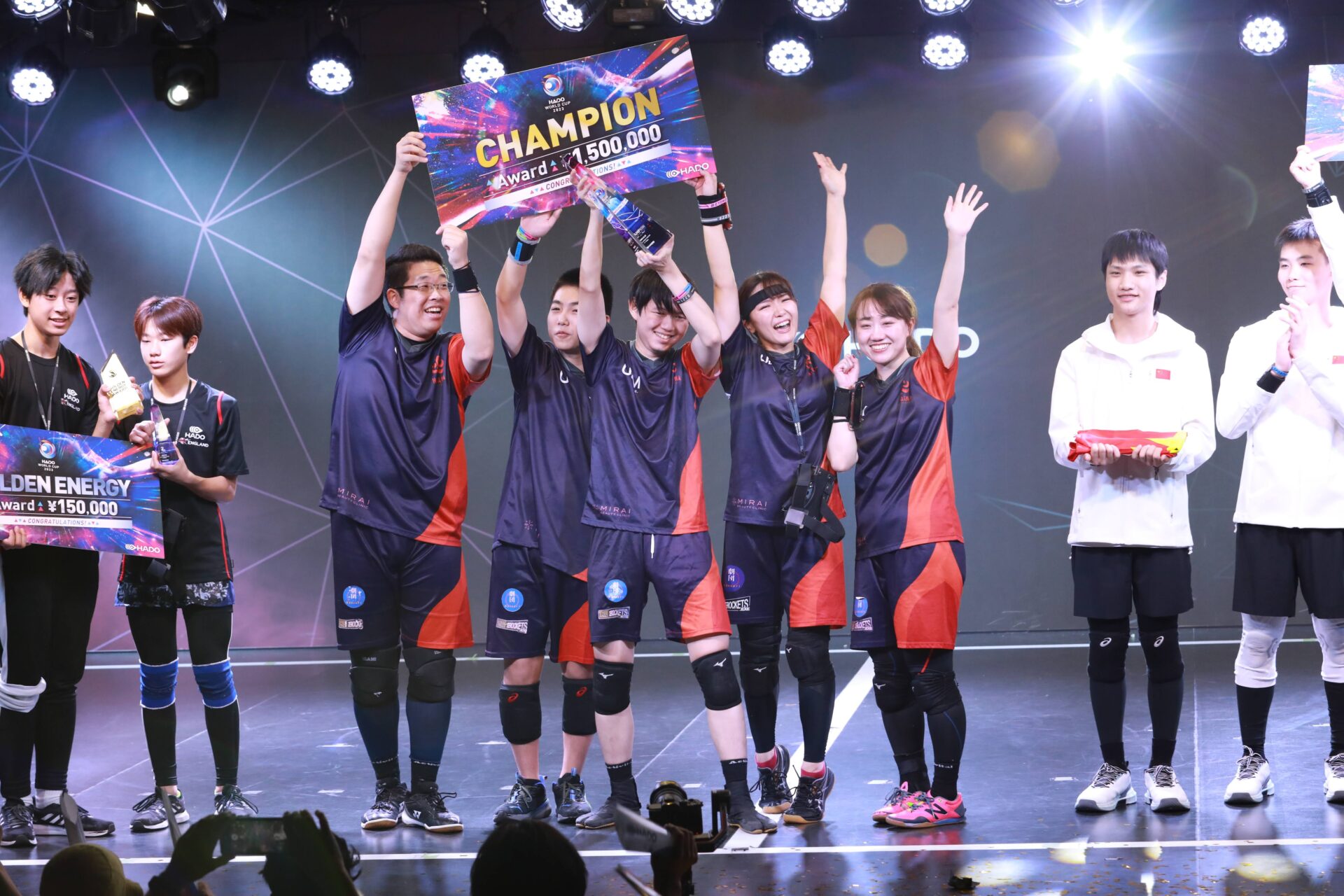
Around the world, players and teams train regularly, compete in tournaments, and aim for the highest level of competition at the HADO WORLD CUP.
HADO is therefore not simply an AR experience that players consume.
It is something they can learn, practice, improve at, and compete in.
Moving your body, playing within a set of rules, thinking, challenging yourself, and connecting with others — these are all fundamental elements of sport.
HADO redesigns those elements for the digital age.

One Sport, Multiple Ways to Position It
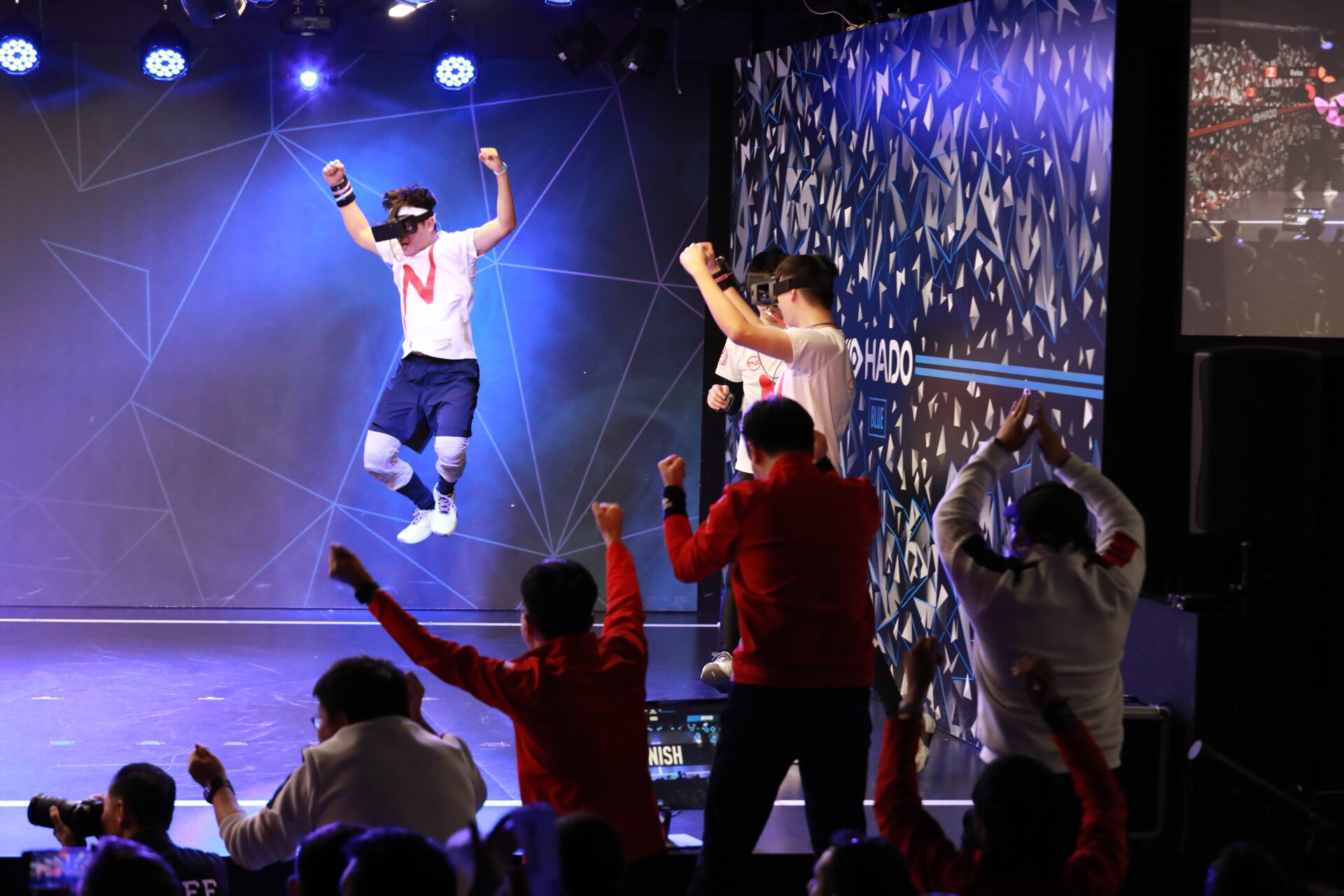
The way HADO is introduced may change depending on the market and the audience.
What matters is that HADO itself does not change.
The same sport can be introduced through the language that makes the most sense to each audience.
1. AR Sport / Next-Generation Sport
The simplest way to describe HADO is as an AR Sport.
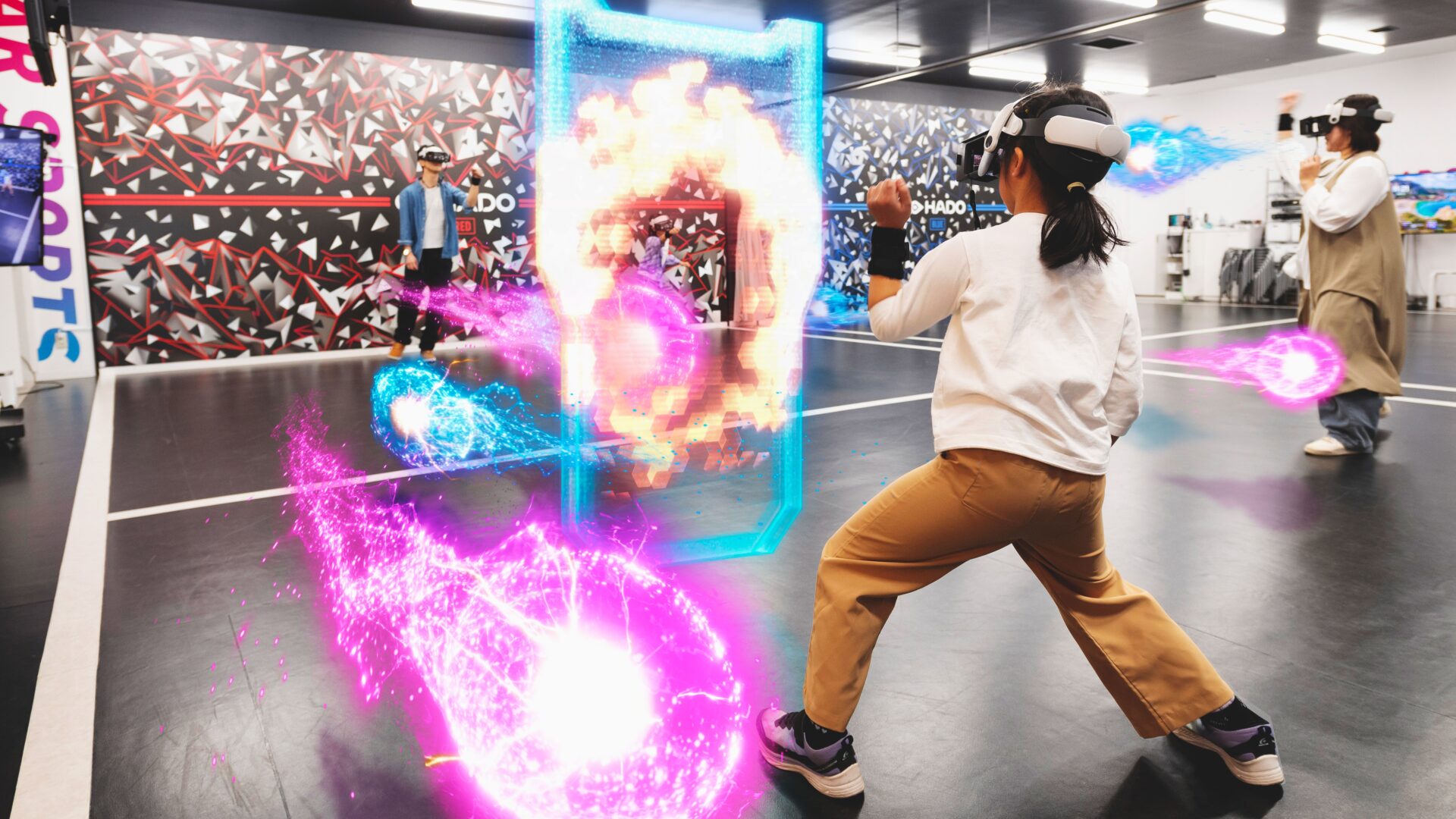
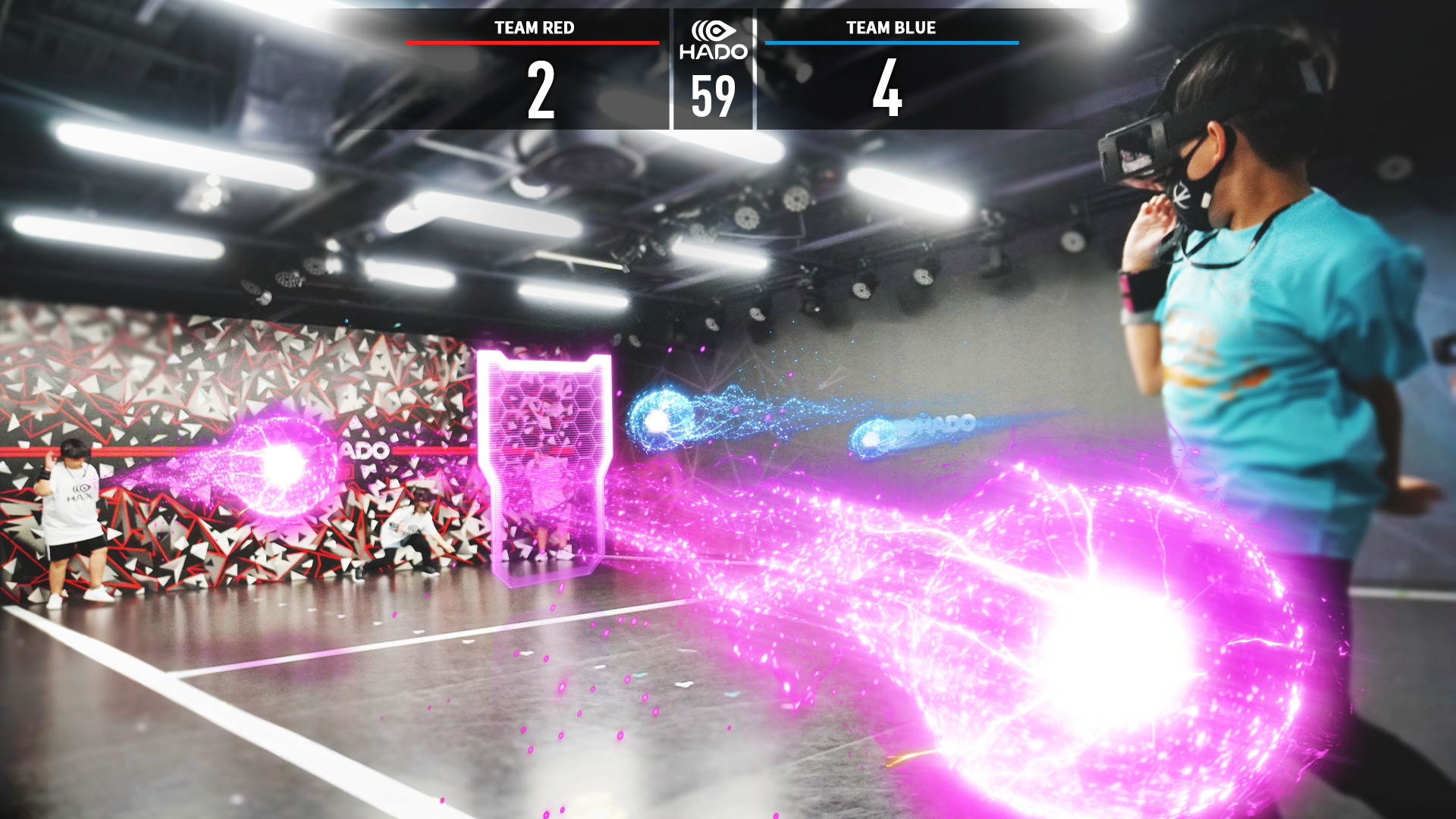
Players move in a real physical space while digital elements such as Energy Balls and shields become part of the competition through augmented reality.
The term Next-Generation Sport can also be effective when introducing HADO to schools, public organizations, sports facilities, and the media, where it can be presented as a new option beyond conventional sports.
Technology is not simply used to enhance the experience.
It is built directly into the sport itself.
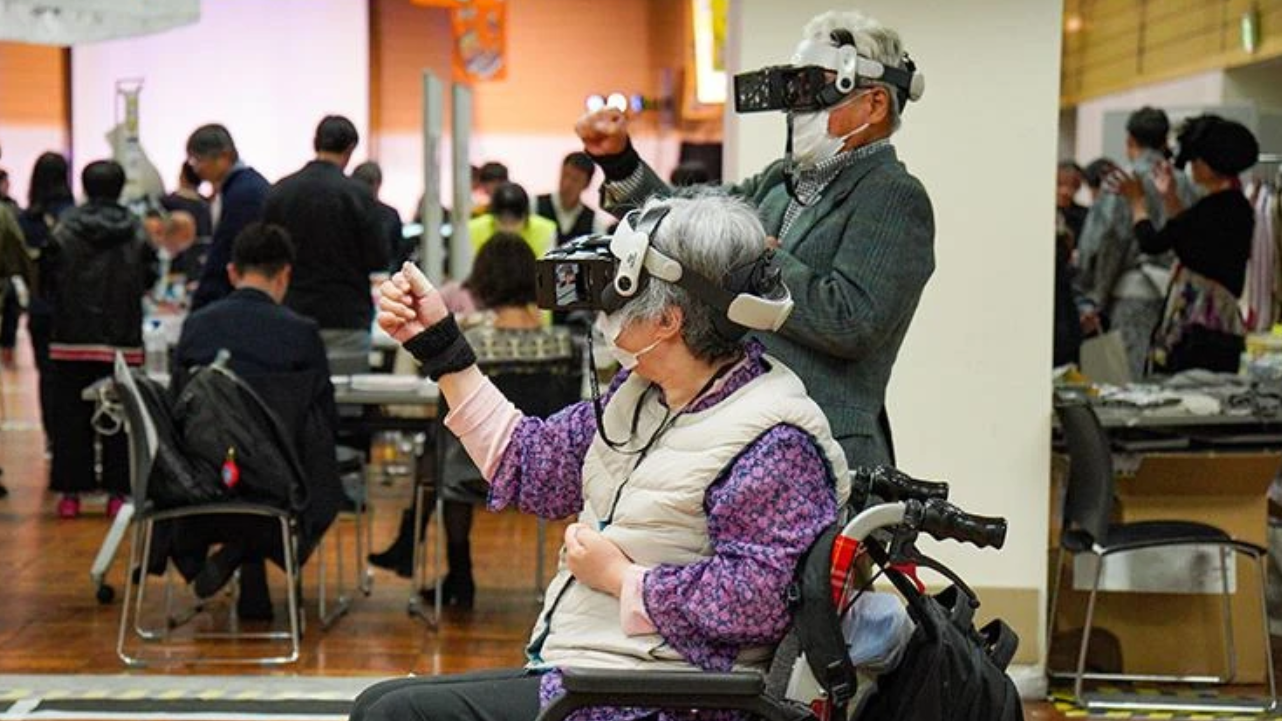
2. AR Activity / Immersive Sports Experience
For first-time players, however, there is not always a need to emphasize competition.
The word “sport” can sometimes make people think of intense exercise, advanced athletic ability, or a high level of physical fitness.
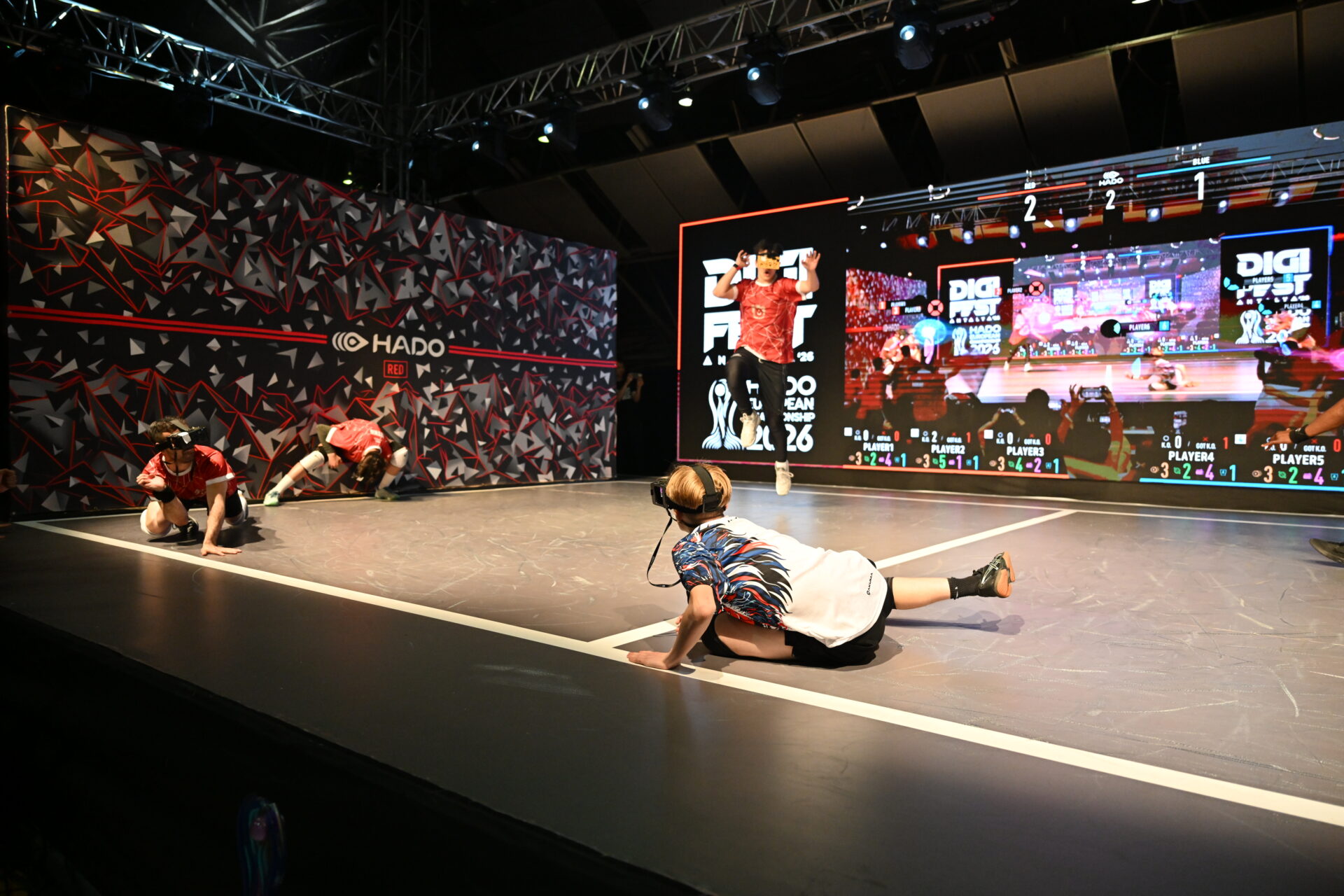
In shopping malls, leisure facilities, tourist destinations, and family entertainment venues, HADO can therefore also be introduced as an AR Activity or an Immersive Sports Experience.
This creates a more approachable entry point for people who simply want to try something new and have fun.
For some people, HADO begins as an activity.
As they play more, improve their skills, and discover its strategic depth, it can become a sport they want to master.
Both experiences exist within the same HADO ecosystem.
3. TechnoSport
TechnoSport is a concept that meleap has developed through HADO.
It refers to more than simply using technology to measure performance or enhance the presentation of an existing sport.
Instead, technology itself makes an entirely new sport possible.
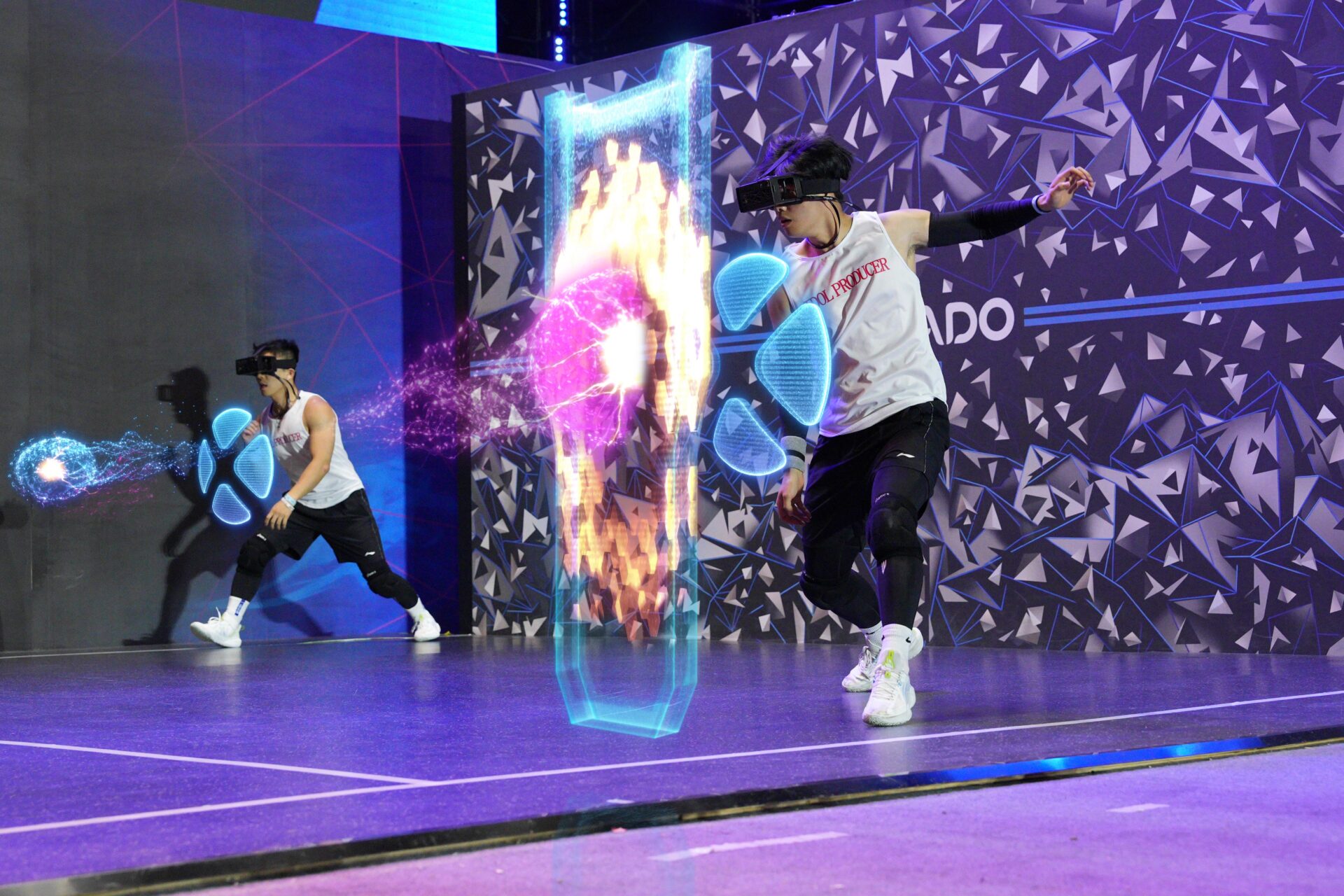
Energy Balls and shields do not exist in the physical world. Through AR, however, they become real competitive elements with their own rules, tactics, and strategies.
In this sense, HADO represents a different relationship between sport and technology:
Technology does not simply support the sport. Technology creates the sport.
4. Virtual Sport / Location-Based XR Sport
From an XR and entertainment industry perspective, HADO can also be understood as a Virtual Sport or Location-Based XR Sport.
Research published by the Japan Sports Agency has categorized HADO as a location-based XR sport — a form of sport in which participants gather in a physical venue and use XR technology while moving their bodies in the real world.
This perspective also connects HADO to the wider location-based entertainment industry.
XR industry experts have described HADO as a competitive virtual sports platform and as an example of how immersive technology can move beyond home entertainment into physical venues.
From the sports industry, HADO can be seen as an AR Sport.
From the XR industry, it can be seen as Location-Based XR or Virtual Sports.
From the entertainment industry, it can be positioned as an immersive experience.
The product stays the same. The market perspective changes.

5. Phygital Sports and Tech Sports
Around the world, new categories such as Phygital Sports and Tech Sports are emerging as digital technology and physical competition become increasingly connected.
HADO naturally fits into this movement.
Players compete using digital technology, but the competition still takes place through real physical movement on a real court.
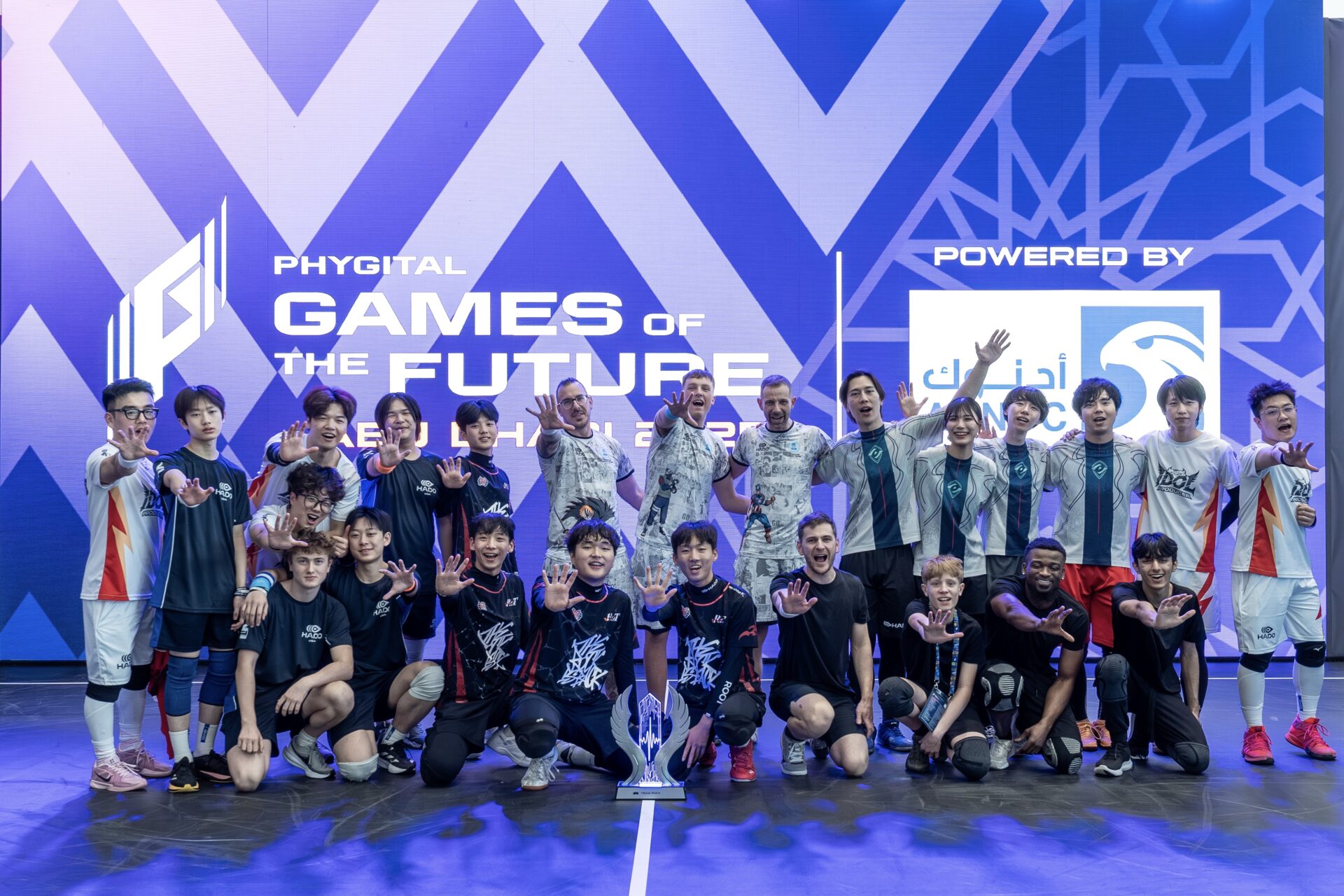
HADO has also participated in the international multi-sport event Games of the Future, further connecting the sport with the growing global movement around phygital competition.
Rather than separating digital and physical sports, HADO brings the two together.
6. Esports
HADO also shares many characteristics with esports.
It is a technology-powered competition. Players study strategies and settings, work as a team, compete in organized tournaments, and build a spectator culture around high-level play.
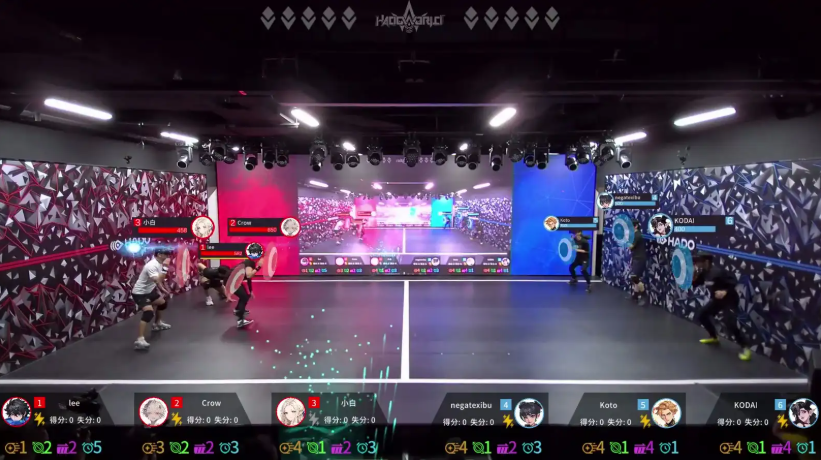
These gaming characteristics become even more visible in HADO WORLD.
In HADO WORLD, each hero has a different role, set of characteristics, and unique skills.
Some heroes specialize in offense. Others protect or support teammates. Team composition and the timing of special abilities can significantly change how a match unfolds.
This creates a layer of strategy similar to competitive digital games in which character selection, team composition, and unique abilities play an important role.
The major difference is where those mechanics are played out.
In HADO WORLD, players do not execute their strategies only through a screen and controller.
They physically move, dodge, aim, react, and coordinate with teammates on a real court.
HADO WORLD brings game mechanics into real-world sport.

One Sport. Many Possibilities.
HADO can be described in many different ways.
AR Sport.
Next-Generation Sport.
Virtual Sport.
Location-Based XR Sport.
Tech Sport.
Phygital Sport.
Immersive Sports Experience.
It also shares important characteristics with gaming and esports.
But this does not mean that HADO lacks a clear identity.
Quite the opposite.
HADO has a clear center — sport — while connecting naturally with XR, entertainment, gaming, education, and other emerging markets.
For competitive players, it can be a sport to master.
For families and friends, it can be an activity to enjoy together.
For schools, it can offer a new way to combine physical activity, thinking, and collaboration.
For venues and operators, it can become a new form of immersive entertainment.
HADO is a sport at its core.
And that is exactly why it can become so much more.



EXPAND HADO
IN YOUR REGION
GET IN TOUCH

Proud supporter of the Tokyo 2025 Deaflympics.
A future sport for everyone to enjoy.